
Balancing Gentle Parenting and Eco-Conscious Choices: A Real-Life Guide
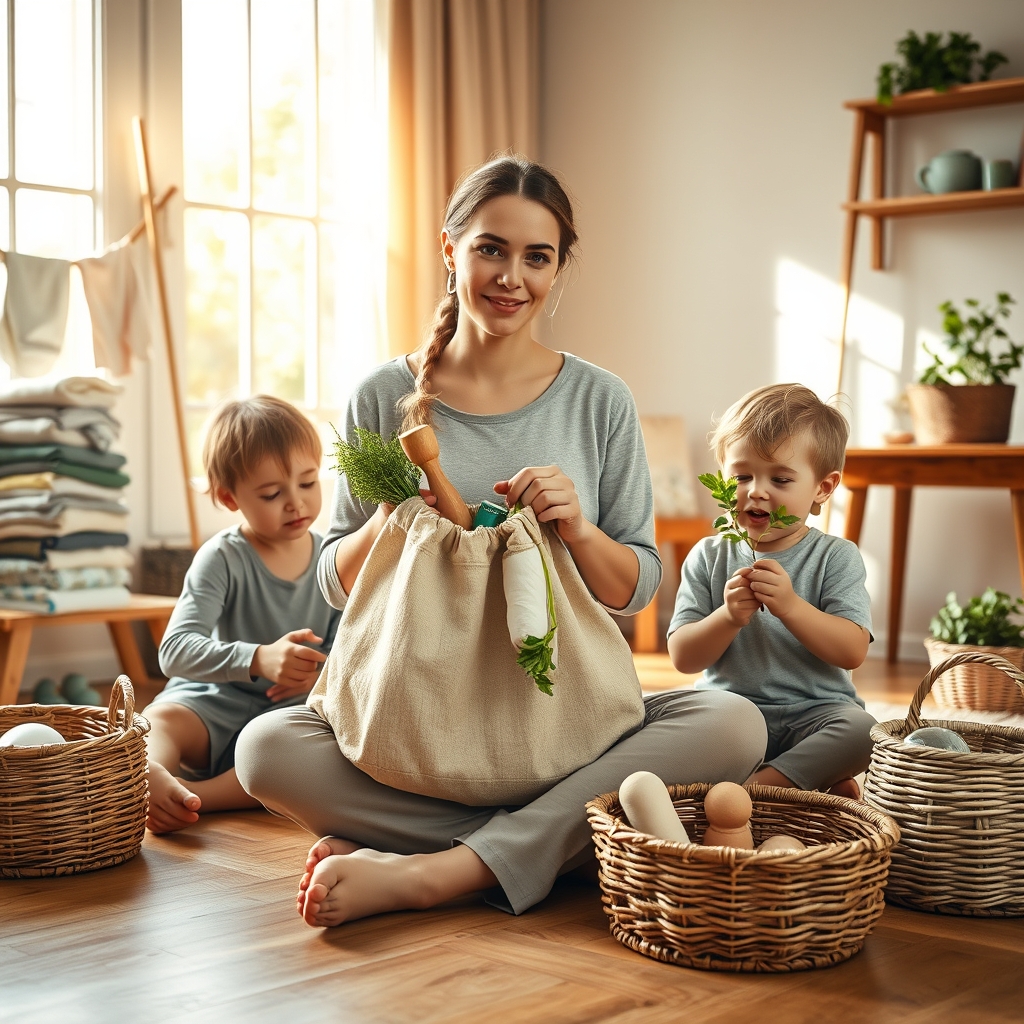
Parenting in today’s world is a delicate dance between nurturing little ones with love and kindness while also making choices that protect the planet they’ll inherit. Gentle parenting—rooted in empathy, respect, and connection—aligns beautifully with eco-conscious living, but that doesn’t mean the journey is without its challenges. Between the pressure to buy the latest baby gear, the convenience of disposable products, and the overwhelming amount of information (and misinformation) out there, it’s easy to feel stuck. The good news? You don’t have to be perfect. Small, intentional steps can make a big difference—for your family and the Earth.
The Overwhelm of Starting Small
When my first child was born, I was bombarded with well-meaning advice: “You *need* this organic cotton swaddle,” “That brand of baby food is the only safe one,” “Cloth diapers are the only way to go if you care about the planet.” The noise was deafening, and the guilt was real. I wanted to do right by my baby and the environment, but the sheer volume of choices left me paralyzed. It took me months to realize that sustainability isn’t about all-or-nothing thinking. It’s about progress, not perfection.
One of the first changes I made was swapping out plastic bottles for glass ones. It was a small step, but it felt manageable. Then, I started buying secondhand clothes and toys, which not only reduced waste but also saved money. These weren’t grand gestures, but they added up. The key was to focus on one change at a time, celebrating the wins—no matter how small—rather than fixating on what I wasn’t doing yet.
Navigating the Convenience Trap
Let’s be honest: parenting is exhausting. There are days when the thought of washing another load of cloth diapers or packing a zero-waste lunchbox feels like climbing Mount Everest. Disposable products are marketed as lifesavers for a reason—they’re convenient. But convenience often comes at a cost, both financially and environmentally. The trick is finding a balance that works for your family without sacrificing your values.
For us, that meant compromising. We used cloth diapers at home but kept a stash of biodegradable disposables for travel or particularly chaotic days. We packed lunches in reusable containers but allowed ourselves the occasional pre-packaged snack when time was tight. It wasn’t about being rigid; it was about being realistic. Sustainable parenting isn’t about never using disposables—it’s about reducing them where you can and making mindful choices when you can’t.
Another game-changer was meal prepping. Batch-cooking meals and freezing portions not only cut down on food waste but also made those hectic evenings a little easier. It’s amazing how much less tempting takeout becomes when there’s a homemade meal ready to reheat. Plus, it gave me back precious time with my kids instead of spending hours in the kitchen every night.
Community: The Secret Weapon
One of the biggest lessons I’ve learned is that you don’t have to figure this out alone. Parenting—and sustainable living—is so much easier when you have a community to lean on. Whether it’s joining a local buy-nothing group, swapping baby gear with friends, or simply sharing tips and struggles with other parents, community makes all the difference.
When my second child outgrew her onesies, I didn’t toss them—I passed them along to a friend. In return, she gifted me a set of gently used wooden toys her kids had outgrown. It was a win-win: less waste, less clutter, and more joy. We also started a toy library in our neighborhood, where families could borrow toys instead of buying new ones. It’s incredible how much less pressure there is to keep up with the latest trends when you know you can rely on your community.
Online communities have been just as valuable. From Facebook groups dedicated to zero-waste parenting to Instagram accounts sharing quick, eco-friendly hacks, there’s no shortage of inspiration. One of my favorite discoveries was a group that shared “ugly produce” deals—imperfect fruits and vegetables that would otherwise go to waste. It’s a small way to reduce food waste while saving money, and it’s become a weekly ritual for our family.
Teaching Kids to Care for the Planet
Gentle parenting and eco-conscious living go hand in hand when it comes to raising kids who are kind—to themselves, to others, and to the planet. The key is to lead by example and make sustainability a natural part of their lives, rather than something they *have* to do. Kids are sponges, and they pick up on our habits, both good and bad.
We started small, like turning off the lights when leaving a room or talking about why we recycle. As they grew older, we involved them in bigger projects, like planting a garden or making homemade cleaning products. It’s amazing how much kids love feeling like they’re part of something important. My daughter once scolded me for using a plastic straw at a restaurant—she’d learned about ocean pollution at school and was determined to save the turtles. It was a proud (and slightly humbling) moment.
We also made sustainability fun. Instead of a traditional birthday party, we hosted a “zero-waste” celebration where the kids made decorations from recycled materials and played games that didn’t involve single-use plastics. It wasn’t about depriving them of joy; it was about showing them that there are creative, earth-friendly ways to have fun. And guess what? They loved it.
When Guilt Creeps In
No matter how hard you try, there will be days when guilt creeps in. Maybe you caved and bought that plastic toy, or you forgot your reusable bags at the grocery store. It’s easy to feel like you’re failing, but here’s the truth: guilt doesn’t help anyone. What matters is that you’re trying, and that’s enough.
Parenting is a journey, and so is sustainability. There will be missteps, setbacks, and moments of frustration. But every small choice—every reusable water bottle, every secondhand outfit, every conversation about why we care for the Earth—adds up. It’s not about being perfect; it’s about being present. It’s about showing your kids that their actions matter, that their choices have an impact, and that they have the power to make a difference.
At the end of the day, the most important thing we can give our children isn’t a perfectly zero-waste home or a closet full of organic cotton clothes. It’s the knowledge that they are loved, that they are capable, and that they are part of something bigger than themselves. It’s the understanding that caring for the planet isn’t a chore—it’s a privilege. And it’s the confidence that, no matter how small their actions may seem, they have the power to create change, one gentle step at a time.