
Baby Wearing Basics: The Gentle Parenting Guide to Bonding, Convenience, and Eco-Friendly Comfort for You and Your Little One
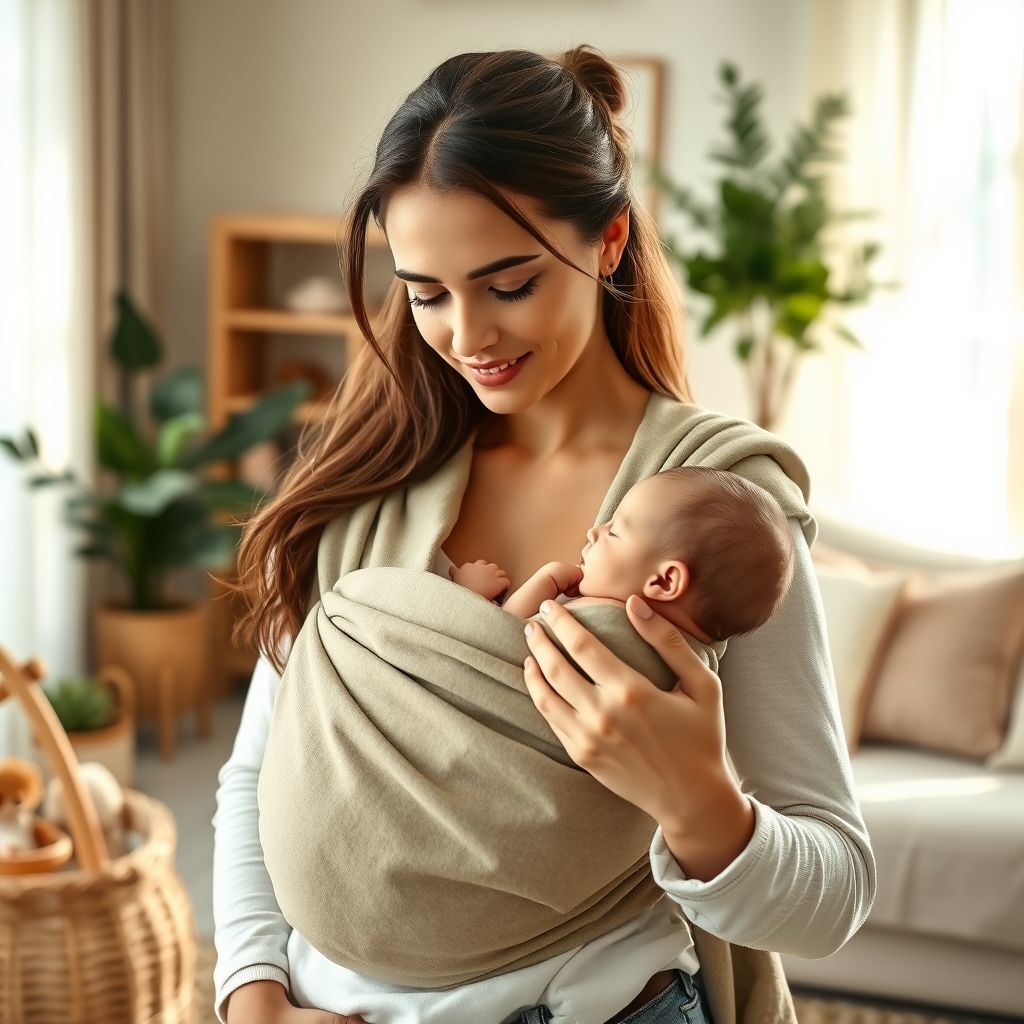
Imagine a world where your hands are free to sip your coffee, fold laundry, or even take a leisurely stroll—all while your baby naps peacefully against your chest. That’s the magic of baby wearing, a practice that blends convenience, bonding, and eco-friendly parenting into one seamless experience. For modern parents embracing gentle parenting, baby wearing isn’t just a trend; it’s a transformative tool that nurtures connection while simplifying daily life.
The Science Behind Baby Wearing: Why It’s a Game-Changer
Baby wearing isn’t a new concept—it’s been practiced for centuries across cultures, and for good reason. Research shows that babies who are worn cry less, sleep better, and even experience reduced stress levels. The close physical contact mimics the womb’s environment, providing a sense of security that’s hard to replicate in a crib or stroller. For parents, this means fewer tears (yours and theirs) and more opportunities to engage with the world around you.
Beyond the emotional benefits, baby wearing also supports physical development. The upright position aids digestion, reducing colic and reflux, while the gentle motion can soothe even the fussiest of infants. It’s a win-win for both parent and child, fostering a deeper bond while promoting healthy growth.
Choosing the Right Carrier: Eco-Friendly and Ergonomic Options
Not all baby carriers are created equal. For parents committed to eco-friendly parenting, selecting a carrier made from sustainable materials like organic cotton, bamboo, or hemp is a priority. Brands like Ergobaby, Tula, and Lillebaby offer ergonomic designs that distribute weight evenly, preventing strain on your back and shoulders. Look for carriers that provide proper hip support for your baby, ensuring their legs are in the “M” position to promote healthy hip development.
If you’re new to baby wearing, start with a soft-structured carrier or a wrap. Wraps, like the popular Moby or Boba, offer versatility and a snug fit, but they do require a bit of practice to master. For a more straightforward option, ring slings are lightweight and adjustable, making them ideal for quick trips or newborns. Whichever you choose, prioritize comfort and safety—your baby’s well-being depends on it.
Baby Wearing Safety: Tips for a Secure and Comfortable Experience
Safety should always be the top priority when baby wearing. The TICKS rule is a helpful guideline to ensure your baby is secure: Tight, In view, Close enough to kiss, Keep chin off chest, Supported back. A snug fit prevents your baby from slumping, which can restrict their airway. Always check that their face is visible and their chin isn’t pressed against their chest, as this can make breathing difficult.
For newborns, the “frog leg” position is ideal, with their knees higher than their bottom. As they grow, adjust the carrier to support their hips and spine. Avoid carriers that force your baby’s legs to dangle straight down, as this can strain their hips. And remember, baby wearing isn’t just for infants—many carriers can accommodate toddlers up to 40 pounds, making them a long-term investment.
Baby Wearing on the Go: Practical Tips for Everyday Life
One of the biggest perks of baby wearing is the freedom it provides. Whether you’re running errands, hiking a trail, or simply navigating a crowded grocery store, a carrier keeps your baby close while keeping your hands free. For parents who love Montessori at home or sensory play activities, baby wearing allows you to engage with your little one while still being productive.
If you’re breastfeeding, some carriers offer discreet nursing access, making it easier to feed on the go. For parents who practice co-sleeping safety, baby wearing can also help transition your little one from your arms to their crib without disrupting their sleep. And let’s not forget the environmental benefits—fewer strollers mean less plastic waste, aligning with your eco-friendly diapers and organic baby food choices.
Baby Wearing and Gentle Parenting: A Perfect Pair
At its core, gentle parenting is about responding to your child’s needs with empathy and respect. Baby wearing aligns perfectly with this philosophy by keeping your little one close, fostering a sense of security and trust. The physical closeness also makes it easier to read your baby’s cues, whether they’re hungry, tired, or simply in need of a cuddle. This responsiveness strengthens your bond and builds a foundation of trust that will last a lifetime.
For parents who value positive reinforcement and developmental toys, baby wearing offers a unique opportunity to engage with your child in real time. Point out colors, shapes, and sounds as you go about your day, turning mundane tasks into learning experiences. It’s a simple yet powerful way to nurture their curiosity and cognitive development.
Making Baby Wearing a Part of Your Routine
Incorporating baby wearing into your daily routine doesn’t have to be complicated. Start with short periods, like during a walk around the neighborhood or while tidying up at home. As you and your baby grow more comfortable, you’ll find that it becomes second nature. Many parents even find that baby wearing helps them navigate baby sleep training or postpartum wellness, as the closeness can soothe both parent and child during challenging moments.
If you’re part of a parenting group or online community, don’t hesitate to ask for tips or recommendations. Many parents swear by baby wearing for everything from soothing a teething baby to keeping a curious toddler close during outings. The key is to find what works best for you and your little one, whether that’s a structured carrier, a wrap, or a hybrid option.
Baby wearing is more than just a parenting hack—it’s a lifestyle choice that prioritizes connection, convenience, and sustainability. By keeping your baby close, you’re not only meeting their needs but also creating a nurturing environment where they can thrive. Whether you’re a new parent or a seasoned pro, the benefits of baby wearing are undeniable. So why not give it a try? Your arms—and your baby—will thank you.