
The Gentle Parenting Playground: How Sensory Play, Eco-Friendly Diapers, and Montessori Principles Create a Thriving Home Environment
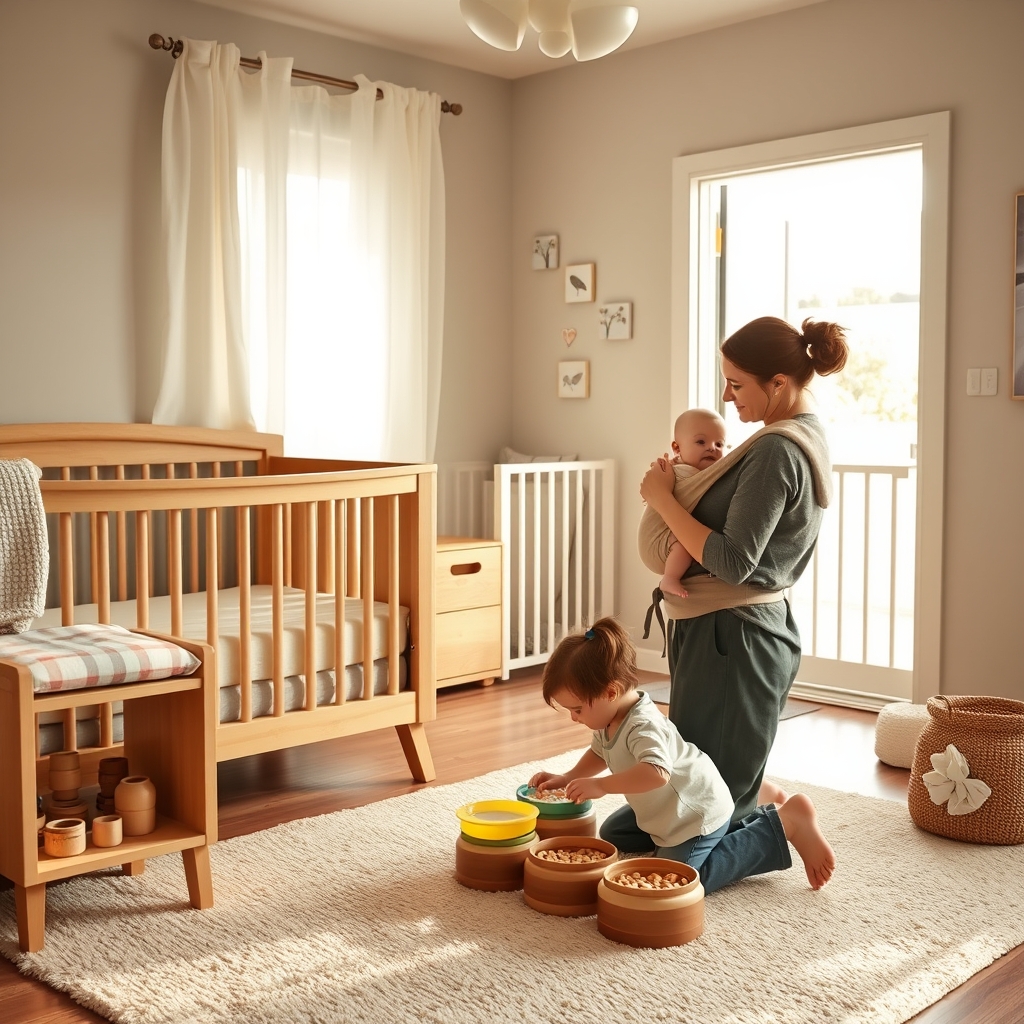
Imagine a home where every giggle, every curious touch, and every bedtime story feels like a small victory in raising a happy, confident child. This isn’t just a dream—it’s the reality for families embracing gentle parenting as their guiding philosophy. By weaving together sensory-rich activities, sustainable choices, and child-led learning, parents can create an environment where little ones thrive emotionally, intellectually, and physically. The best part? It doesn’t require perfection, just intention.
The Heart of Gentle Parenting: Connection Over Correction
At its core, gentle parenting is about fostering a deep connection with your child while guiding them with empathy and respect. Unlike traditional discipline methods that rely on punishment or rewards, this approach focuses on understanding the root of behaviors and responding with patience. For example, a toddler refusing to eat their vegetables might not be defiant—they could be overwhelmed by texture or taste. Instead of insisting, a gentle parent might offer a sensory play activity like finger-painting with yogurt to explore new sensations in a low-pressure way.
This method builds trust, helping children feel secure enough to explore, make mistakes, and grow. Research shows that kids raised with gentle parenting techniques tend to develop stronger emotional regulation and problem-solving skills. It’s not about letting them rule the roost; it’s about setting boundaries with kindness and consistency.
Eco-Friendly Diapers: A Small Change with Big Impact
Parenting sustainably doesn’t have to be complicated. One of the easiest swaps is choosing eco-friendly diapers over conventional ones. Traditional disposable diapers can take up to 500 years to decompose, filling landfills with non-biodegradable waste. In contrast, brands like Eco by Naty or Bambo Nature use plant-based materials, reducing environmental harm without sacrificing absorbency or comfort.
For parents who prefer reusables, modern cloth diapers are far from the bulky, leaky versions of the past. Today’s options feature adjustable fits, breathable fabrics, and easy-to-use designs. Pair them with a gentle, plant-based detergent, and you’ve got a system that’s kind to both your baby’s skin and the planet. The bonus? You’ll save money in the long run while teaching your child the value of mindful consumption.
Montessori at Home: Fostering Independence Through Thoughtful Spaces
You don’t need a fancy classroom to bring Montessori at home. The philosophy is simple: create an environment where children can explore, learn, and master skills at their own pace. Start by designing a nursery or playroom with accessibility in mind. Low shelves stocked with developmental toys like wooden puzzles or stacking rings invite little hands to engage independently. A small table and chair set at their height encourages self-feeding or art projects without constant assistance.
Montessori isn’t just about physical space—it’s a mindset. Instead of saying, “Let me do it for you,” try, “Would you like to try first?” This subtle shift empowers children to problem-solve and builds confidence. Even something as simple as letting them choose between two outfits or wash their hands with a step stool fosters autonomy. Over time, these small moments add up to a child who feels capable and curious.
Sensory Play Activities: The Building Blocks of Learning
From the moment they’re born, babies learn about the world through their senses. Sensory play activities harness this natural curiosity, supporting cognitive, motor, and social development. For infants, a DIY sensory board with different textures—soft fabric, bumpy silicone, smooth wood—can keep them engaged while strengthening fine motor skills. Toddlers might enjoy a bin filled with rice or dried beans (supervised, of course) to scoop, pour, and explore.
Sensory play isn’t just fun—it’s foundational. Studies show that activities like finger painting or water play enhance neural connections in the brain, improving memory and problem-solving abilities. Plus, they’re a great way to calm an overstimulated child. Next time your little one is fussy, try a calm-down jar filled with glitter and water. Watching the swirling colors can be a soothing reset for both of you.
Baby Sleep Training: Finding What Works for Your Family
Sleep—or the lack of it—is one of the biggest challenges for new parents. While there’s no one-size-fits-all solution for baby sleep training, gentle methods prioritize responsiveness and comfort. The “pick-up-put-down” technique, for example, involves soothing your baby when they cry but placing them back in the crib once they’re calm. This reassures them without creating dependency on being held all night.
For parents who co-sleep, safety is paramount. A firm mattress, no loose blankets, and a child safety gate to prevent falls are essential. The American Academy of Pediatrics recommends room-sharing for at least the first six months, as it’s linked to lower rates of SIDS. Whether you choose to co-sleep or use a crib, consistency is key. A predictable bedtime routine—bath, book, lullaby—signals to your baby that it’s time to wind down.
Nurturing Tiny Bodies: Toddler Nutrition and Organic Baby Food
Feeding a toddler can feel like navigating a minefield of picky eating and sugar cravings. The good news? Toddler nutrition doesn’t have to be complicated. Focus on offering a variety of whole foods—think colorful fruits, crunchy veggies, and whole grains—while keeping portions small. If they refuse broccoli one day, try again in a week. Research shows it can take 10-15 exposures before a child accepts a new food.
For parents of younger babies, organic baby food can be a great way to introduce flavors without added preservatives or pesticides. Brands like Happy Baby or Serenity Kids offer nutrient-dense options, but homemade purées are just as simple. Steam a batch of sweet potatoes or peas, blend with a little breast milk or formula, and freeze in ice cube trays for easy portions. Pair meals with baby-wearing basics like a soft carrier to keep your little one close while you prep.
Postpartum Wellness: Caring for Yourself While Caring for Baby
Parenting is a marathon, not a sprint, and postpartum wellness is the fuel that keeps you going. It’s easy to put your needs last, but self-care isn’t selfish—it’s essential. Start small: a 10-minute walk outside, a warm cup of tea, or a quick meditation while your baby naps. If you’re breastfeeding, stay hydrated and keep healthy snacks like nuts or fruit within reach. A breastfeeding support group or lactation consultant can also make a world of difference if you’re struggling.
Don’t forget your mental health. Postpartum anxiety or depression affects up to 1 in 7 women, and it’s nothing to be ashamed of. Talk to your healthcare provider about resources, whether it’s therapy, support groups, or simply asking for help with household tasks. Remember, a happy parent raises a happy child.
Designing a Nursery That Grows with Your Child
A well-designed nursery isn’t just about aesthetics—it’s about functionality and safety. Current nursery design trends favor minimalist, gender-neutral spaces that adapt as your child grows. Start with a convertible crib that transforms into a toddler bed, and opt for blackout curtains to create a sleep-friendly environment. A child safety gate at the door keeps curious crawlers contained, while soft rugs and wall-mounted shelves maximize floor space.
Incorporate elements that stimulate learning, like a Montessori-inspired mobile or a low bookshelf filled with board books. Wall decals or removable wallpaper with nature themes can add personality without permanent commitment. And don’t forget storage! Baskets for toys, bins for diapers, and a changing table with built-in organizers keep clutter at bay. The goal is a space that feels calm, safe, and inspiring—for both you and your baby.
Celebrating Every Step: Baby Milestones and Positive Reinforcement
From first smiles to first steps, baby milestones are cause for celebration. But it’s important to remember that every child develops at their own pace. Instead of comparing your little one to others, focus on progress. Use positive reinforcement to encourage growth—praise effort, not just results. For example, “You worked so hard to stack those blocks!” builds confidence more than “You’re so smart.”
Document these moments in a journal or photo album. Not only does it create cherished memories, but it also helps you track developmental leaps. If you ever have concerns about delays, your pediatrician can provide guidance. Until then, enjoy the journey. Those wobbly first steps and babbled words are fleeting, but the joy they bring lasts a lifetime.
Parenting is a series of small, intentional choices that add up to a lifetime of love and learning. Whether you’re swaddling a newborn, navigating the chaos of toddlerhood, or designing a nursery that grows with your child, the key is to embrace the journey with patience and joy. Every giggle, every mess, and every bedtime story is a thread in the tapestry of your family’s story—and it’s yours to write, one gentle moment at a time.