
Creating a Montessori-Inspired Home: Fostering Independence and Curiosity in Your Child
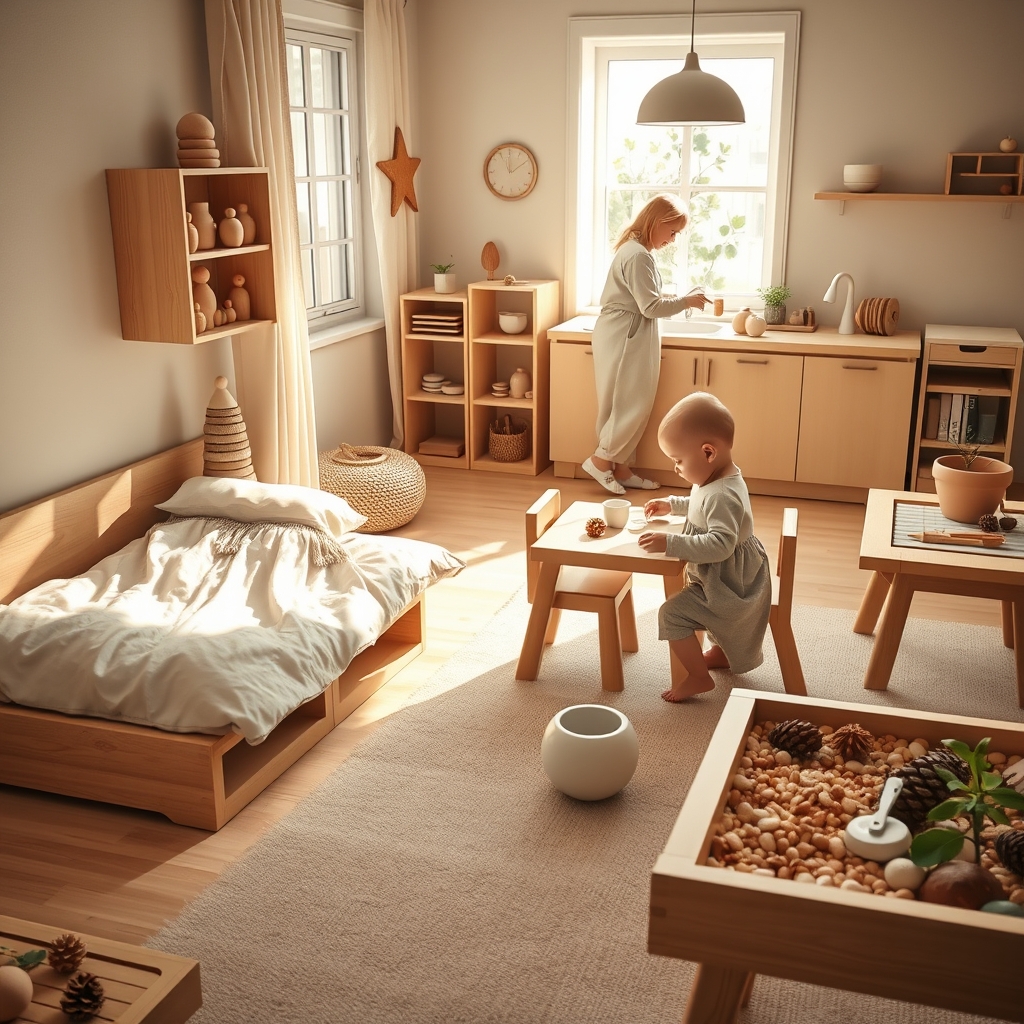
The Montessori method, developed by Dr. Maria Montessori, is an educational approach that emphasizes independence, hands-on learning, and respect for a child’s natural development. While often associated with schools, the Montessori philosophy can be beautifully integrated into your home environment, creating a space where your child can thrive, explore, and develop confidence. The key lies in designing an environment that is child-centered, safe, and rich with opportunities for self-directed learning.
Understanding the Montessori Philosophy at Home
The Montessori approach is built on the belief that children learn best when they are given the freedom to explore their interests at their own pace. In a Montessori-inspired home, the environment is carefully prepared to encourage independence, curiosity, and a love for learning. This means creating spaces that are accessible to your child, filled with developmentally appropriate materials, and free from unnecessary clutter. The goal is to foster a sense of autonomy, allowing your child to make choices, solve problems, and engage with the world around them in a meaningful way.
One of the foundational principles of Montessori is the idea of “follow the child.” This means observing your child’s interests, strengths, and areas where they may need support, and then tailoring the environment to meet those needs. For example, if your toddler shows a keen interest in pouring and transferring objects, you might set up a small tray with a pitcher of water and cups for them to practice. If your preschooler is fascinated by letters and sounds, you could create a literacy corner with sandpaper letters and simple word-building activities.
Designing a Montessori-Friendly Space
Creating a Montessori-inspired home doesn’t require a complete overhaul of your living space. Instead, it’s about making thoughtful adjustments to ensure your child can interact with their environment independently and safely. Start by assessing each room from your child’s perspective—literally getting down to their eye level to see what they see. Are there obstacles in their way? Are the materials they use daily within reach? Are there opportunities for them to engage in real-life activities, such as helping with meal preparation or caring for plants?
The Kitchen: A Hub for Practical Life Skills
The kitchen is one of the best places to introduce Montessori principles at home. Children are naturally drawn to the activities that happen in the kitchen, and involving them in these tasks can foster a sense of responsibility and competence. Consider setting up a small step stool or learning tower that allows your child to safely reach the counter. Provide child-sized utensils, such as a small pitcher for pouring, a whisk for mixing, or a crinkle cutter for slicing soft fruits and vegetables. These tools not only make it easier for your child to participate but also help them develop fine motor skills and hand-eye coordination.
You can also create a low shelf or drawer in the kitchen stocked with a few simple ingredients and tools, such as a bowl, spoon, and a small container of oats or rice. This allows your child to prepare a simple snack independently, reinforcing their sense of capability. Over time, you can introduce more complex tasks, like spreading butter on toast or washing fruits and vegetables, as their skills develop.
The Bedroom: A Sanctuary for Rest and Exploration
A Montessori-inspired bedroom is designed to be a safe, calming space where your child can rest, play, and explore. The focus is on simplicity, with a minimalist approach to furniture and decor. A floor bed, rather than a crib, is a hallmark of Montessori bedrooms, as it allows your child to move freely and make choices about when to sleep or wake. This setup encourages self-regulation and helps your child develop a healthy relationship with sleep.
In addition to the floor bed, the bedroom should include a few carefully selected toys and materials that are rotated regularly to maintain your child’s interest. Open shelves at your child’s height make it easy for them to access their belongings and put them away independently. Choose toys that are made from natural materials, such as wood or fabric, and that encourage open-ended play. Puzzles, stacking toys, and simple musical instruments are all great options. Avoid plastic toys that light up or make noise, as these can overstimulate your child and limit their creativity.
The Playroom: A Space for Discovery
If you have a dedicated playroom or a corner of a room designated for play, this space should be organized in a way that invites exploration and discovery. Use low shelves or baskets to display toys and materials, making it easy for your child to see and access what’s available. Rotate the toys every few weeks to keep the environment fresh and engaging. Include a mix of activities that promote different skills, such as fine motor development, problem-solving, and imaginative play.
Sensory play is an important aspect of the Montessori method, as it allows children to explore the world through their senses. Set up a small sensory bin with materials like rice, beans, or water beads, and provide tools like scoops, funnels, and small containers. You can also create a nature table where your child can display items they’ve collected on walks, such as leaves, rocks, or pinecones. These activities not only stimulate your child’s senses but also encourage a connection to the natural world.
Encouraging Independence Through Everyday Activities
One of the most powerful ways to incorporate Montessori principles at home is by involving your child in everyday activities. These “practical life” skills are an essential part of the Montessori curriculum, as they teach children how to care for themselves and their environment. Start with simple tasks, such as putting on their own shoes, washing their hands, or setting the table for a meal. As your child becomes more confident, you can introduce more complex activities, like folding laundry, sweeping the floor, or watering plants.
Positive reinforcement plays a crucial role in encouraging independence. Instead of praising your child with generic phrases like “good job,” focus on acknowledging their effort and specific actions. For example, you might say, “I noticed how carefully you poured the water into the cup. That was very responsible of you.” This type of feedback helps your child understand the value of their actions and builds their self-esteem.
It’s also important to give your child the time and space to complete tasks on their own, even if it takes longer or results in a few spills or mistakes. Resist the urge to step in and do things for them, as this can undermine their confidence and sense of capability. Instead, offer gentle guidance and support when needed, allowing them to learn through trial and error. Over time, you’ll be amazed at how much your child can accomplish when given the opportunity to try.
Creating a Montessori-inspired home is not about perfection or adhering to a strict set of rules. It’s about fostering an environment where your child feels empowered to explore, learn, and grow at their own pace. By making small, intentional changes to your home, you can nurture your child’s natural curiosity and independence, setting the foundation for a lifetime of self-directed learning. The beauty of the Montessori approach lies in its simplicity and its focus on the child as a capable, competent individual. When you embrace this philosophy, you’re not just creating a home—you’re creating a space where your child can truly thrive.