
Eco-Conscious Parenting: Nurturing Your Baby with Gentle Methods and Sustainable Choices
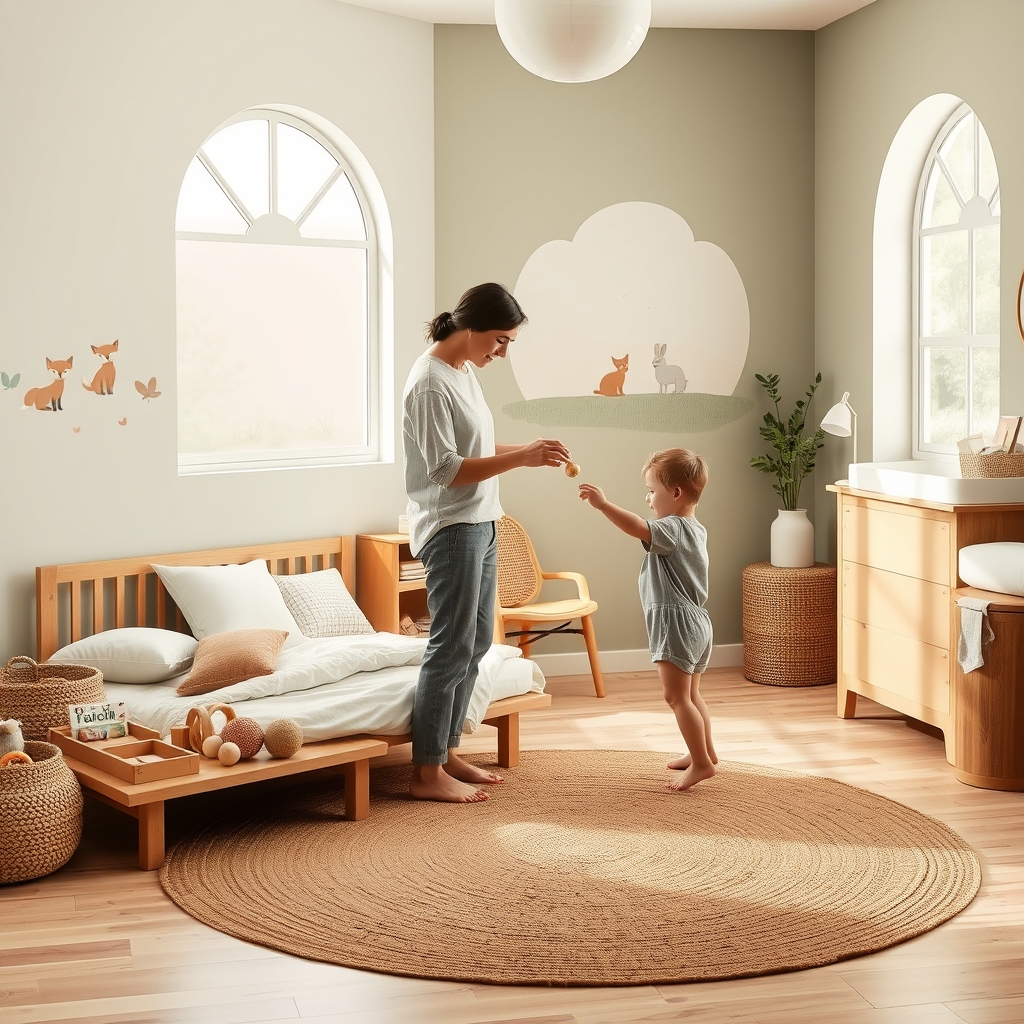
Parenting in today’s world means balancing love, care, and responsibility—not just for your child, but for the planet they’ll inherit. Gentle parenting and eco-friendly choices go hand in hand, creating a nurturing environment where babies thrive while minimizing their environmental footprint. From the diapers they wear to the toys they play with, every decision shapes their future—and the world’s. If you’ve ever wondered how to blend compassionate parenting with sustainable living, you’re not alone. The good news? Small, intentional choices can make a profound difference.
Why Gentle Parenting and Sustainability Are a Perfect Match
At its core, gentle parenting is about fostering connection, empathy, and respect. It’s a philosophy that prioritizes emotional safety, positive reinforcement, and responsive caregiving. When paired with eco-conscious choices, it becomes a powerful way to teach children values like mindfulness, responsibility, and stewardship of the Earth. For example, opting for eco-friendly diapers reduces landfill waste while keeping your baby comfortable, and choosing organic baby food ensures they’re nourished without harmful pesticides.
This approach isn’t about perfection—it’s about progress. You don’t need to overhaul your entire lifestyle overnight. Instead, focus on small, sustainable swaps that align with your family’s values. Whether it’s selecting developmental toys made from natural materials or creating a nursery design that’s both stylish and non-toxic, every step counts. The key is to make choices that feel authentic to you while keeping your baby’s well-being and the planet’s health in mind.
Eco-Friendly Diapering: A Game-Changer for Babies and the Planet
Disposable diapers are one of the largest contributors to landfill waste, taking up to 500 years to decompose. For parents committed to gentle parenting, switching to eco-friendly diapers is a simple yet impactful way to reduce their environmental impact. Brands like Bambo Nature, Seventh Generation, and Eco by Naty offer biodegradable or compostable options that are free from chlorine, fragrances, and other harsh chemicals. These diapers are not only better for the planet but also gentler on your baby’s sensitive skin.
Cloth diapering is another sustainable alternative, though it requires more effort. Modern cloth diapers come in a variety of styles, from prefolds to all-in-ones, making them more convenient than ever. If you’re new to cloth diapering, start with a few diapers to see if they work for your family. Pair them with eco-friendly detergents and reusable wipes to maximize their sustainability. Whichever route you choose, remember that the goal is to find a solution that works for your baby and the environment.
Nurturing Development Through Sensory Play and Montessori Principles
Children learn best through play, and sensory play activities are a cornerstone of gentle parenting. These activities engage a child’s senses—touch, sight, sound, smell, and taste—helping them explore the world in a safe and stimulating way. Simple activities like finger painting with natural dyes, playing with textured fabrics, or exploring a bin of dried beans can spark curiosity and creativity. The best part? Many of these activities can be done with items you already have at home.
Incorporating Montessori at home principles takes this a step further by fostering independence and self-directed learning. Montessori-inspired spaces are designed to be child-friendly, with low shelves, accessible toys, and a focus on real-world skills. For example, a toddler-sized kitchen set allows little ones to mimic cooking, while a basket of developmental toys like wooden blocks or stacking rings encourages fine motor skills. These principles align perfectly with gentle parenting, as they emphasize respect for the child’s natural development and autonomy.
Creating a Montessori-Friendly Nursery
Your baby’s nursery is more than just a place to sleep—it’s their first classroom. A Montessori at home approach to nursery design
focuses on simplicity, functionality, and beauty. Start with a floor bed instead of a crib to encourage freedom of movement and independence. Choose child safety gates that blend seamlessly with the room’s aesthetic while keeping little explorers safe. Opt for natural materials like wood, cotton, and wool to create a warm, inviting space that’s free from toxins. When selecting developmental toys, prioritize open-ended playthings that grow with your child. A set of wooden stacking rings, for example, can be used for sorting, counting, and imaginative play. Avoid plastic toys with flashing lights and loud noises, as these can overstimulate young children. Instead, choose toys that encourage problem-solving, creativity, and fine motor skills. By curating a thoughtful nursery, you’re setting the stage for a lifetime of curiosity and learning. Nutrition is the foundation of your baby’s growth and development, and gentle parenting extends to how you nourish them. For many parents, breastfeeding support is a vital part of this journey. Whether you’re navigating latch issues, seeking advice on pumping, or looking for ways to extend your breastfeeding journey, resources like lactation consultants, support groups, and online communities can make all the difference. Remember, there’s no one-size-fits-all approach—what matters most is finding what works for you and your baby. As your little one transitions to solids, organic baby food becomes a key consideration. Conventional baby foods often contain pesticides, additives, and preservatives that can be harmful to developing bodies. Opting for organic options—whether store-bought or homemade—ensures your baby gets the nutrients they need without the unwanted chemicals. You can also introduce toddler nutrition by offering whole foods like mashed avocado, steamed sweet potatoes, or oatmeal. Involve your child in the process by letting them explore textures and flavors, turning mealtime into a sensory adventure. The postpartum period is a time of immense change, both physically and emotionally. Postpartum wellness is an essential part of gentle parenting, as it ensures you’re taking care of yourself while caring for your baby. This might include prioritizing rest, eating nourishing meals, and seeking support from loved ones or professionals. Practices like gentle yoga, meditation, or journaling can also help you process the emotional ups and downs of new parenthood. When it comes to baby sleep training, there’s no shortage of advice—and opinions. The key is to find a method that aligns with your family’s values and your baby’s temperament. Some parents prefer a gentle parenting approach, such as the “no-cry” method, which focuses on responsiveness and comfort. Others may opt for a more structured approach, like the Ferber method, which gradually teaches babies to self-soothe. Whichever path you choose, consistency and patience are key. Remember, every baby is unique, and what works for one may not work for another. Safety is a top priority for every parent, and gentle parenting includes creating a secure environment where your child can explore freely. Child safety gates are a must-have for blocking off stairs, kitchens, or other hazardous areas. Look for gates that are sturdy, easy to install, and compliant with safety standards. Baby-proofing your home also means securing furniture to walls, covering electrical outlets, and keeping small objects out of reach. For parents who practice co-sleeping safety, it’s important to follow guidelines to reduce the risk of SIDS. This includes using a firm mattress, avoiding soft bedding, and ensuring your baby sleeps on their back. If you’re using a bassinet or crib, choose one that meets current safety standards and is free from toxic materials. By taking these precautions, you can create a safe sleep environment that supports your baby’s well-being. Parenting is a journey filled with love, challenges, and countless opportunities to make a difference. By embracing gentle parenting and eco-conscious choices, you’re not only nurturing your baby’s growth but also teaching them the values of kindness, responsibility, and respect for the planet. Whether it’s choosing eco-friendly diapers, creating a Montessori-inspired nursery, or prioritizing postpartum wellness, every decision is a step toward a brighter future. Start small, celebrate your progress, and remember that you don’t have to do it all at once. The most important thing is to create a loving, nurturing environment where your child can thrive. As you navigate this journey, you’ll find that the little choices add up to something truly meaningful—a legacy of love, care, and sustainability for generations to come.Feeding Your Little One: From Breastfeeding to Organic Baby Food
Prioritizing Postpartum Wellness and Baby Sleep Training
Keeping Your Little One Safe and Secure
Building a Sustainable Future, One Step at a Time