
Raising Tiny Humans with Heart: How Gentle Parenting and Thoughtful Choices Create a Lifelong Foundation of Love and Trust
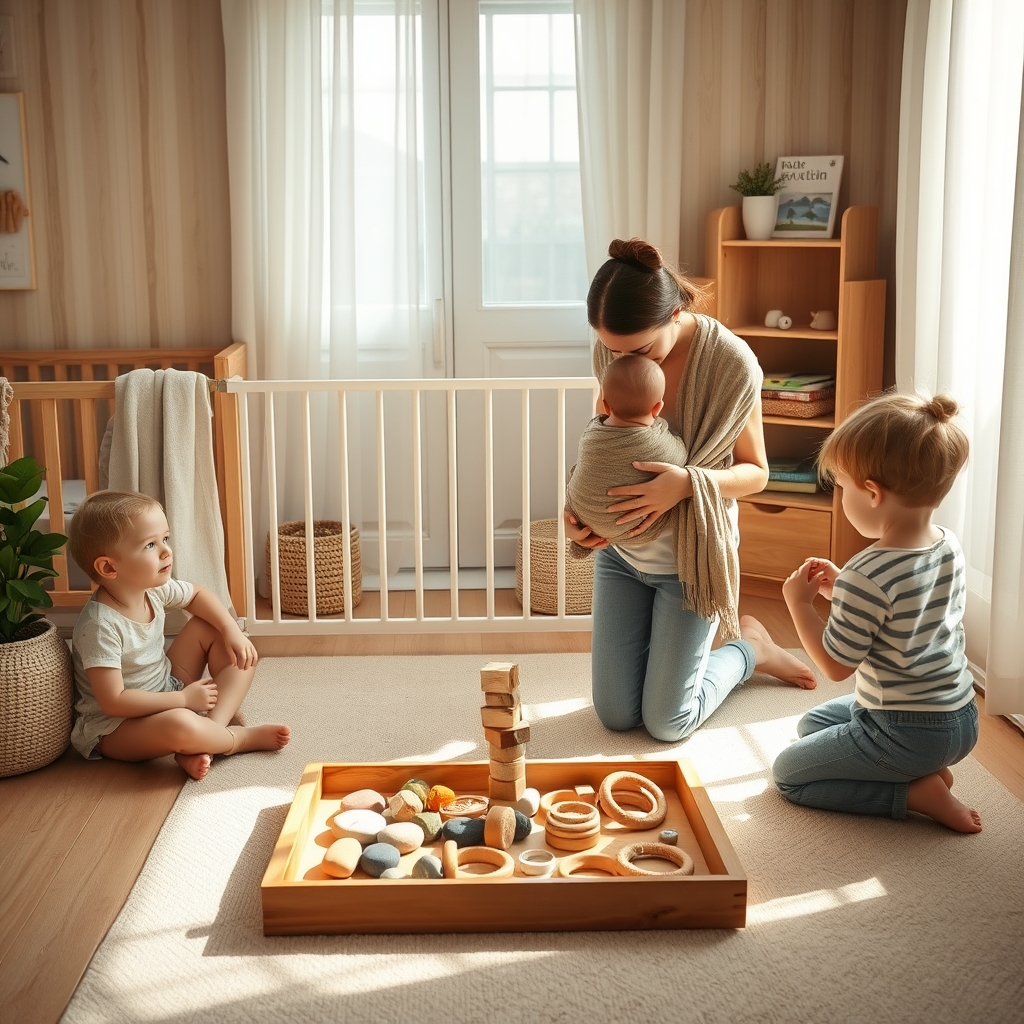
Imagine a world where your child feels seen, heard, and deeply understood—not through punishment or rigid rules, but through connection, empathy, and trust. That’s the heart of gentle parenting, a philosophy that’s reshaping modern families by prioritizing emotional safety and mutual respect. But gentle parenting isn’t just about warmth; it’s about making intentional choices that support your child’s development while aligning with your family’s values. From eco-friendly diapers that protect both baby’s skin and the planet to sensory play activities that spark curiosity, every decision becomes an opportunity to nurture growth with love.
The Core Principles of Gentle Parenting
At its essence, gentle parenting is built on four pillars: empathy, respect, understanding, and boundaries. Unlike traditional parenting models that rely on control or fear, this approach focuses on guiding children with kindness while acknowledging their emotions as valid. For example, when a toddler has a meltdown, a gentle parent doesn’t dismiss their feelings with phrases like “stop crying” but instead offers comfort and helps them name their emotions. This builds emotional intelligence and trust over time.
Research shows that children raised with gentle parenting techniques tend to develop stronger self-regulation skills, healthier relationships, and higher self-esteem. It’s not about being permissive; it’s about setting clear, consistent boundaries with compassion. For instance, instead of saying “no” in frustration, you might say, “I see you’re upset, but we don’t hit. Let’s use gentle hands.” This reinforces positive behavior while validating their feelings.
Eco-Friendly Choices That Nurture Baby and the Planet
Parenting gently extends beyond interactions—it’s also about the products and practices you choose for your family. Eco-friendly diapers, for example, are a game-changer for parents who want to reduce their environmental footprint without compromising on comfort. Brands like Eco by Naty and Bambo Nature use plant-based materials, biodegradable components, and non-toxic adhesives, making them safer for both babies and the Earth. Plus, they’re often free from chlorine, fragrances, and lotions that can irritate sensitive skin.
But diapers are just the beginning. Organic cotton onesies, wooden teethers, and non-toxic cleaning products are all part of creating a healthier home. Even organic baby food brands like Serenity Kids or Little Spoon prioritize nutrient-dense ingredients without added sugars or preservatives. These choices not only protect your child’s health but also teach them the value of sustainability from an early age.
Sensory Play: The Gateway to Learning and Connection
Children learn best through play, and sensory play activities are a cornerstone of gentle parenting. These activities engage a child’s senses—touch, sight, sound, smell, and even taste—to foster cognitive, motor, and social development. Simple setups like a bin of rice with hidden toys, a water table with floating objects, or homemade playdough can captivate a child’s attention for hours while building neural connections.
For parents practicing Montessori at home, sensory play aligns perfectly with the philosophy of child-led learning. Instead of directing the play, you observe and follow your child’s interests. For example, if they’re fascinated by pouring water, you might introduce measuring cups or funnels to explore volume and cause-and-effect. This approach not only makes learning fun but also strengthens the parent-child bond through shared discovery.
Creating a Safe and Stimulating Nursery Environment
Your baby’s nursery should be a sanctuary that supports their growth and safety. Nursery design trends in 2024 emphasize minimalism, natural materials, and adaptability. Think soft, neutral colors that promote calm, sustainable wood furniture, and blackout curtains to aid baby sleep training. A well-designed nursery isn’t just aesthetically pleasing—it’s functional. For instance, a child safety gate at the doorway can prevent accidents while still allowing airflow and visibility.
Incorporating developmental toys like stacking rings, shape sorters, or high-contrast board books can stimulate your baby’s senses and encourage fine motor skills. Rotate toys every few weeks to keep their environment fresh and engaging. And don’t forget the power of baby-wearing basics—a good carrier or wrap can keep your little one close while freeing up your hands for daily tasks, fostering both physical closeness and practicality.
Nurturing Postpartum Wellness for the Whole Family
Gentle parenting starts with a gentle approach to yourself. Postpartum wellness is often overlooked, but it’s a critical part of creating a nurturing home. New parents need support—whether it’s through breastfeeding support from a lactation consultant, pelvic floor therapy, or simply carving out time for self-care. Remember, a well-rested, emotionally supported parent is better equipped to respond to their child’s needs with patience and love.
For partners, sharing responsibilities like diaper changes, nighttime feedings, or household chores can make a world of difference. Even small acts, like preparing a nourishing meal or offering a listening ear, can help parents feel less isolated during this transformative phase. Toddler nutrition also plays a role—introducing a variety of whole foods early on sets the stage for healthy eating habits. Think colorful veggie purees, iron-rich finger foods, and hydrating snacks like cucumber or watermelon.
Building a Screen-Free Childhood with Intentional Play
In a world dominated by screens, fostering a screen-free childhood is one of the greatest gifts you can give your child. Research links excessive screen time to delays in language development, attention issues, and sleep disturbances. Instead, prioritize unstructured play, outdoor exploration, and hands-on activities. A backyard sandbox, a trip to the park, or a simple game of “I Spy” can spark creativity and imagination in ways screens never could.
For older toddlers, preschool learning games like matching cards, puzzles, or storytelling with puppets can make learning interactive and fun. These activities not only build cognitive skills but also encourage social interaction and emotional regulation. And when screens are necessary, opt for high-quality, educational content and co-view with your child to make it a shared experience.
Celebrating Baby Milestones with Presence and Patience
From the first smile to the first steps, baby milestones are moments to cherish—but they’re not races to win. Gentle parenting reminds us to celebrate progress without pressure. For example, if your baby isn’t crawling by nine months, that’s okay. Every child develops at their own pace, and comparing them to others only creates unnecessary stress. Instead, focus on creating a supportive environment where they feel safe to explore and grow.
Documenting these milestones can be a beautiful way to reflect on your journey. A baby book, a private photo album, or even a simple journal entry can capture the magic of these fleeting moments. And when challenges arise—like sleep regressions or picky eating—remember that these phases are temporary. Responding with patience and consistency reinforces the trust and security your child feels in your care.
Positive Reinforcement: The Gentle Alternative to Punishment
One of the most powerful tools in gentle parenting is positive reinforcement. Instead of punishing mistakes, this approach focuses on acknowledging and rewarding desirable behaviors. For example, if your toddler shares a toy, you might say, “I love how you shared with your friend! That was so kind.” This reinforces the behavior while making them feel proud of their actions.
Positive reinforcement isn’t about empty praise; it’s about specific, meaningful feedback. It also works for older children. If your preschooler cleans up their toys without being asked, a simple “Thank you for putting your toys away—that helps keep our home tidy” goes a long way. Over time, this builds intrinsic motivation and a strong sense of self-worth.
Co-Sleeping Safety: Balancing Closeness and Security
For many families, co-sleeping is a natural extension of gentle parenting, fostering closeness and ease during nighttime feedings. However, safety is paramount. The American Academy of Pediatrics recommends room-sharing (but not bed-sharing) for the first six months to reduce the risk of SIDS. If you choose to bed-share, follow guidelines like using a firm mattress, keeping pillows and blankets away from the baby, and avoiding soft surfaces like couches or armchairs.
For parents who prefer a middle ground, a co-sleeper bassinet attached to the bed offers proximity without the risks of bed-sharing. Whichever method you choose, the goal is the same: creating a safe, nurturing sleep environment where both parent and baby can rest peacefully.
Parenting is a journey filled with joy, challenges, and countless small moments that shape your child’s future. By embracing gentle parenting, you’re not just raising a child—you’re nurturing a human being who feels loved, capable, and secure. Whether it’s choosing eco-friendly diapers for a healthier planet, engaging in sensory play activities to spark curiosity, or simply responding to tantrums with empathy, every choice you make plants the seeds for a lifetime of trust and connection. And remember, you don’t have to be perfect—just present. The love and effort you pour into these early years will ripple through your child’s life in ways you can’t yet imagine.