
The Gentle Parenting Guide to Nurturing Independence: Montessori at Home and Eco-Friendly Essentials for Confident Kids
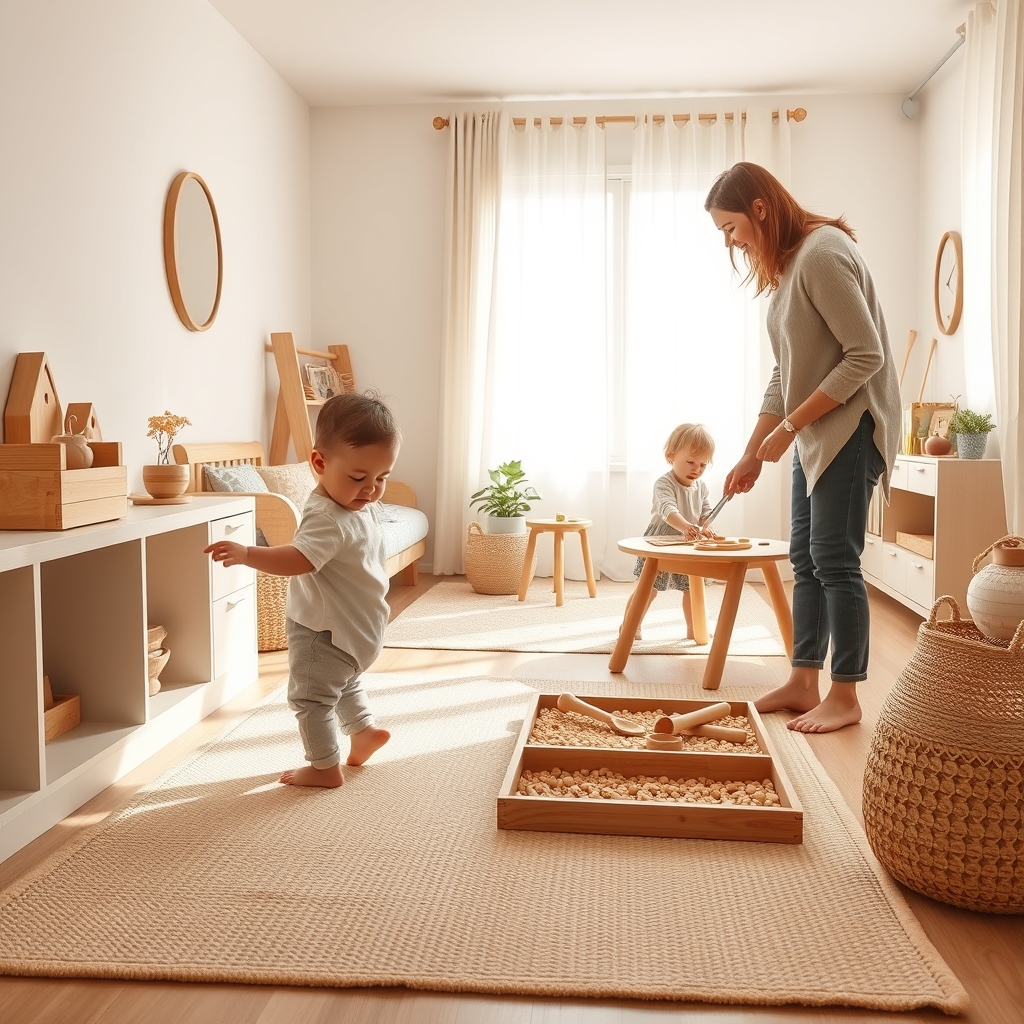
Imagine watching your toddler carefully pour their own water, choose their clothes, or even help prepare a snack—all with a sense of pride and accomplishment. These small moments aren’t just adorable; they’re the building blocks of confidence, independence, and lifelong learning. Gentle parenting isn’t about perfection; it’s about creating an environment where children feel empowered to explore, make mistakes, and grow at their own pace. When combined with Montessori at home principles and eco-friendly diapers, this approach fosters a nurturing space that benefits both your child and the planet.
Why Gentle Parenting and Montessori Go Hand in Hand
Gentle parenting emphasizes empathy, respect, and connection, while Montessori education focuses on hands-on, child-led learning. Together, they create a powerful framework for raising independent, curious kids. Instead of dictating every move, you become a guide, offering tools and opportunities for your child to discover their capabilities. This shift in perspective can transform everyday routines into meaningful learning experiences.
For example, setting up a low shelf with a few carefully chosen developmental toys allows your child to select activities that interest them. This autonomy builds decision-making skills and fosters a love for learning. Similarly, involving toddlers in simple tasks like wiping the table or sorting laundry teaches responsibility while reinforcing their sense of contribution to the family.
Creating a Montessori-Friendly Home on Any Budget
You don’t need a Pinterest-perfect playroom to embrace Montessori at home. Start small by decluttering your child’s space and organizing toys or materials in an accessible way. Rotate a few items at a time to keep their environment fresh and engaging without overwhelming them. Open shelves, baskets, and trays make it easy for little ones to see and reach their belongings, promoting independence.
Another key aspect is child-sized furniture. A small table and chair, a step stool in the bathroom, or a low hook for their coat encourages self-sufficiency. If buying new isn’t an option, DIY solutions like repurposing a sturdy crate as a table or using removable adhesive hooks can work just as well. The goal is to create a space where your child feels capable and confident navigating on their own.
Eco-Friendly Choices That Support Gentle Parenting
Sustainable parenting aligns perfectly with gentle parenting values. Choosing eco-friendly diapers, for instance, reduces your baby’s exposure to harmful chemicals while minimizing your family’s environmental footprint. Brands like Eco by Naty or Bambo Nature offer biodegradable options that are gentle on sensitive skin and the planet.
Beyond diapers, consider swapping plastic toys for organic baby food pouches, wooden teethers, or cloth wipes. These small changes not only protect your child’s health but also teach them the importance of caring for the Earth from an early age. When kids see their parents making mindful choices, they’re more likely to adopt those values as they grow.
Sensory Play Activities for Hands-On Learning
Sensory play activities are a cornerstone of Montessori at home, engaging a child’s senses to promote cognitive, motor, and social development. Simple setups like a rice bin with scoops, water play with sponges, or a nature tray with leaves and pinecones can captivate a toddler’s attention for hours. These activities aren’t just fun—they’re powerful tools for learning.
For example, a sensory bin filled with dried beans and small toys can help develop fine motor skills as your child picks up objects with tongs or spoons. Meanwhile, a DIY sound shaker (using recycled containers filled with rice or beads) introduces early concepts of cause and effect. The best part? Most sensory play materials can be found in your kitchen or backyard, making them budget-friendly and accessible.
Nurturing Independence Through Daily Routines
Gentle parenting thrives on consistency and predictability. Establishing simple routines—like a morning ritual of getting dressed or an evening wind-down with a book—gives children a sense of security and control. When toddlers know what to expect, they’re more likely to cooperate and take initiative.
Incorporate positive reinforcement by praising effort rather than results. Instead of saying, “You’re so smart,” try, “I noticed how carefully you stacked those blocks!” This approach builds resilience and a growth mindset, helping your child see challenges as opportunities to learn rather than obstacles to fear.
Designing a Nursery That Grows With Your Child
The nursery design trends of today focus on functionality, safety, and adaptability. A Montessori-inspired nursery might include a floor bed (like a low mattress or toddler bed) to encourage freedom of movement, a mirror at ground level for self-discovery, and open storage for toys and books. These elements support your child’s independence while keeping the space safe and inviting.
When selecting furniture, opt for non-toxic, sustainable materials like solid wood or organic cotton. A child safety gate at the doorway can prevent accidents while still allowing your little one to explore their space. Soft lighting, neutral colors, and natural textures create a calming atmosphere that promotes restful sleep and peaceful play.
Balancing Screen Time with a Screen-Free Childhood
In a world dominated by screens, fostering a screen-free childhood can feel like an uphill battle. However, gentle parenting offers a solution: replace passive screen time with active, engaging alternatives. Board games, puzzles, or outdoor play not only stimulate creativity but also strengthen family bonds.
Set clear boundaries by designating tech-free zones, like the dinner table or bedrooms, and model the behavior you want to see. When screens are necessary, opt for educational content and co-view with your child to make it an interactive experience. Remember, the goal isn’t perfection—it’s creating a healthy balance that prioritizes real-world connections.
The Power of Baby Wearing and Co-Sleeping Safety
Baby wearing basics are a game-changer for parents seeking closeness and convenience. A well-fitted carrier or wrap allows you to keep your baby close while freeing up your hands for daily tasks. This practice not only strengthens the parent-child bond but also promotes healthy development by keeping your baby in an ergonomic position.
If you’re considering co-sleeping safety, follow guidelines like using a firm mattress, avoiding loose bedding, and ensuring your baby sleeps on their back. Room-sharing (keeping your baby’s crib or bassinet in your bedroom) is a safe alternative that combines the benefits of closeness with independent sleep. Always prioritize safety and consult your pediatrician for personalized advice.
Parenting is a journey filled with small, intentional choices that shape your child’s world. By embracing gentle parenting, Montessori principles, and eco-friendly essentials, you’re not just raising a child—you’re nurturing a confident, independent individual who values connection, curiosity, and care for the planet. Start with one small change today, and watch as these moments of independence blossom into a lifetime of confidence and joy.