
The Gentle Parenting Guide to Screen-Free Childhood: Nurturing Creativity and Connection in a Digital World
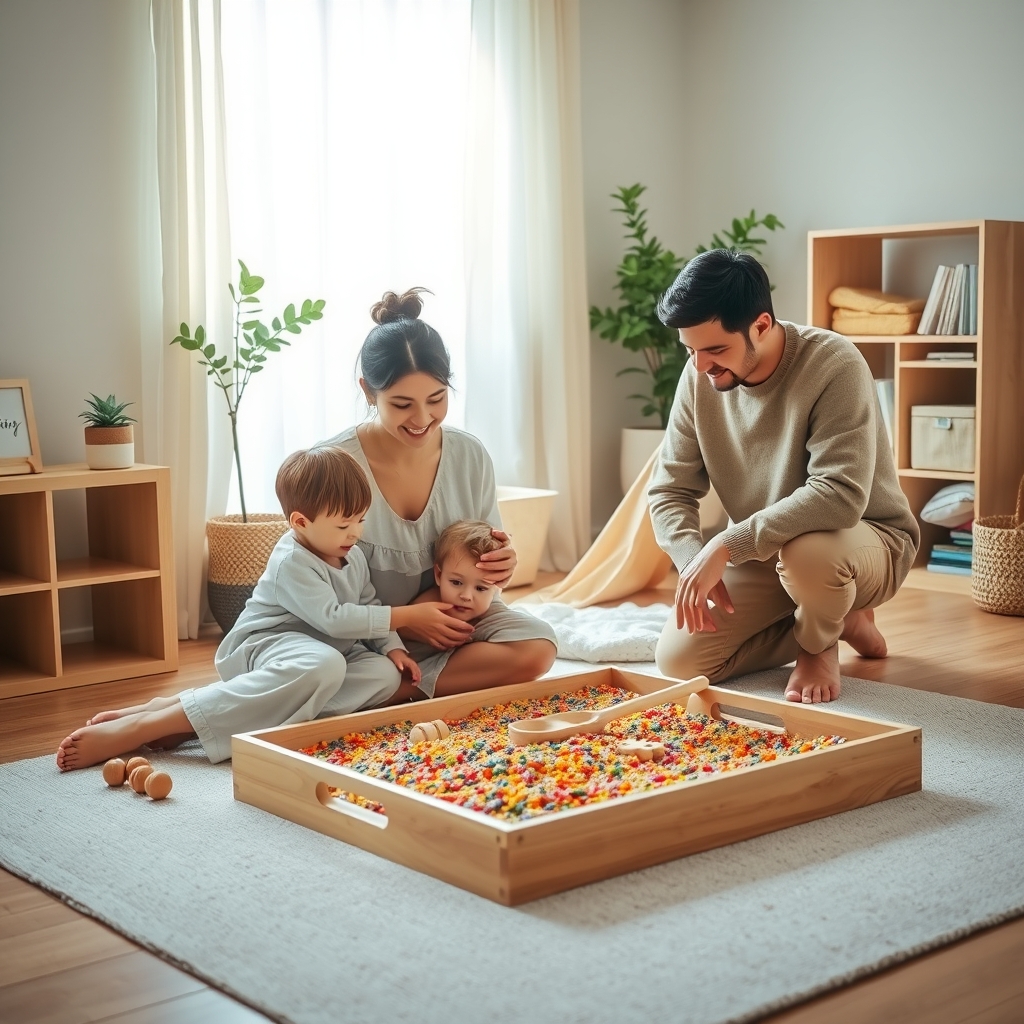
Imagine a world where your child’s first reaction to boredom isn’t reaching for a screen, but instead, creating a masterpiece with crayons, building a fort from blankets, or losing themselves in the pages of a storybook. In today’s fast-paced, technology-driven society, raising a child in a screen-free childhood might feel like swimming against the current—but the rewards are immeasurable. Research shows that excessive screen time in early childhood can impact attention spans, sleep patterns, and even social skills. Yet, the solution isn’t about restriction; it’s about fostering an environment where curiosity, creativity, and connection thrive naturally. Gentle parenting offers a compassionate framework to navigate this journey, ensuring your little one grows up balanced, engaged, and deeply connected to the world around them.
Why a Screen-Free Childhood Matters for Gentle Parenting
At the heart of gentle parenting is the belief that children thrive when their emotional and developmental needs are met with empathy and intention. Screens, while convenient, often replace the very experiences that nurture these needs—face-to-face interaction, hands-on exploration, and unstructured play. Studies have linked excessive screen time in toddlers to delays in language development and reduced attention spans. For parents practicing gentle parenting, this presents a unique challenge: how do you create a home environment that feels engaging and stimulating without relying on digital babysitters?
The answer lies in shifting the focus from what children *aren’t* doing (watching screens) to what they *are* doing—building, imagining, and connecting. A screen-free childhood isn’t about deprivation; it’s about abundance. It’s about filling their days with sensory play activities that ignite their senses, Montessori-inspired tasks that foster independence, and breastfeeding support or co-sleeping safety that deepens emotional bonds. When screens are removed as the default option, children learn to entertain themselves, solve problems, and engage with the world in meaningful ways.
Creating a Screen-Free Environment with Gentle Parenting Principles
Transitioning to a screen-free childhood doesn’t happen overnight, especially in a world where screens are ubiquitous. The key is to approach this shift with the same patience and consistency you’d use for baby sleep training or introducing toddler nutrition. Start by setting clear, loving boundaries around screen time. For example, designate screen-free zones in your home, such as the dinner table or the playroom, and stick to them. Use positive reinforcement to celebrate moments when your child chooses a book over a tablet or engages in sensory play activities instead of watching a video.
Another powerful strategy is to lead by example. Children mimic what they see, so if they observe you scrolling mindlessly on your phone, they’re more likely to do the same. Instead, model the behavior you want to see—read a book, cook a meal together, or explore the backyard. Gentle parenting thrives on connection, and nothing strengthens that bond more than shared, screen-free experiences. Whether it’s baby wearing basics that keep your little one close or preschool learning games that make education fun, these moments become the foundation of a screen-free lifestyle.
Eco-Friendly Diapers and Sustainable Choices for a Screen-Free Home
Creating a screen-free environment often goes hand-in-hand with other mindful parenting choices, such as opting for eco-friendly diapers or organic baby food. These decisions not only benefit the planet but also reinforce the values of intentionality and care that define gentle parenting. For instance, cloth diapers or biodegradable options reduce waste while teaching children about sustainability from an early age. Similarly, preparing homemade organic baby food can become a screen-free activity that involves your toddler in the kitchen, turning mealtime into a sensory-rich experience.
When screens are limited, everyday tasks become opportunities for learning and connection. Folding laundry together, sorting toys by color, or even planting a small herb garden can be just as engaging as a cartoon—if not more so. These activities align with Montessori at home principles, where children are encouraged to participate in real-life tasks that build confidence and competence. The goal isn’t perfection; it’s about creating a home where screens are just one of many tools, not the default.
Screen-Free Activities That Nurture Development and Connection
The beauty of a screen-free childhood is that it opens the door to endless possibilities for play and learning. Sensory play activities, for example, are a cornerstone of gentle parenting because they engage a child’s senses while promoting cognitive and motor skill development. Fill a bin with rice, beans, or water beads, and let your toddler explore textures, colors, and sounds. Add scoops, cups, or small toys to encourage imaginative play. These activities are not only fun but also lay the groundwork for future learning in science, math, and language.
For parents looking to incorporate preschool learning games, the options are just as varied. Simple games like “I Spy” or “Simon Says” can be played anywhere and require no materials. Puzzles, building blocks, and art supplies are also fantastic for fostering creativity and problem-solving skills. If you’re practicing baby sleep training, consider incorporating calming, screen-free wind-down routines like reading a book or listening to soft music. These moments of connection signal to your child that bedtime is a time for rest and bonding, not stimulation.
Navigating Challenges with Compassion and Consistency
Of course, embracing a screen-free childhood isn’t without its challenges. There will be moments when your child resists, especially if screens have been a regular part of their routine. Gentle parenting encourages you to meet these moments with empathy rather than frustration. Acknowledge their feelings—”I know you really enjoy watching your favorite show, and it’s hard to stop”—while gently redirecting their attention. Offer an alternative, like a favorite toy or a fun activity, and praise their effort when they engage with it. Over time, these small victories build resilience and adaptability.
It’s also important to recognize that screens aren’t inherently bad; they’re just one tool in a much larger toolkit. There may be times when screens are necessary, such as during a long car ride or while you prepare dinner. The key is to use them intentionally, not as a default. Set limits, choose high-quality content, and balance screen time with plenty of offline activities. For example, if your child watches a short educational video, follow it up with a related activity, like drawing what they learned or acting it out with toys.
Building a Screen-Free Community for Long-Term Success
One of the most powerful ways to sustain a screen-free childhood is to surround yourself with like-minded families. Seek out local parenting groups, playdates, or classes that prioritize unstructured play and connection. These communities provide support, inspiration, and accountability, making it easier to stay committed to your goals. They also give your child the opportunity to socialize in a screen-free environment, where friendships are built through shared experiences rather than shared screen time.
At home, involve your child in creating a screen-free routine that works for your family. Let them help design a “boredom buster” jar filled with activity ideas, or create a visual schedule that includes time for outdoor play, reading, and creative projects. When children feel ownership over their routine, they’re more likely to embrace it. Celebrate their successes, no matter how small, and remind them that a screen-free childhood is a gift—one that allows them to explore, imagine, and connect in ways that screens simply can’t replicate.
As your child grows, the habits you’ve nurtured will become second nature. They’ll reach for a book instead of a tablet, ask for a game of hide-and-seek instead of a video, and find joy in the simple pleasures of childhood. A screen-free childhood isn’t about deprivation; it’s about creating space for the kind of growth that only comes from unstructured play, deep connection, and the freedom to explore the world with all their senses. And in the process, you’ll discover that the greatest gift you can give your child isn’t the latest gadget—it’s the time, attention, and love that make childhood truly magical.