
The Gentle Parenting Guide to Sensory Play: Eco-Friendly Activities for Curious Little Minds
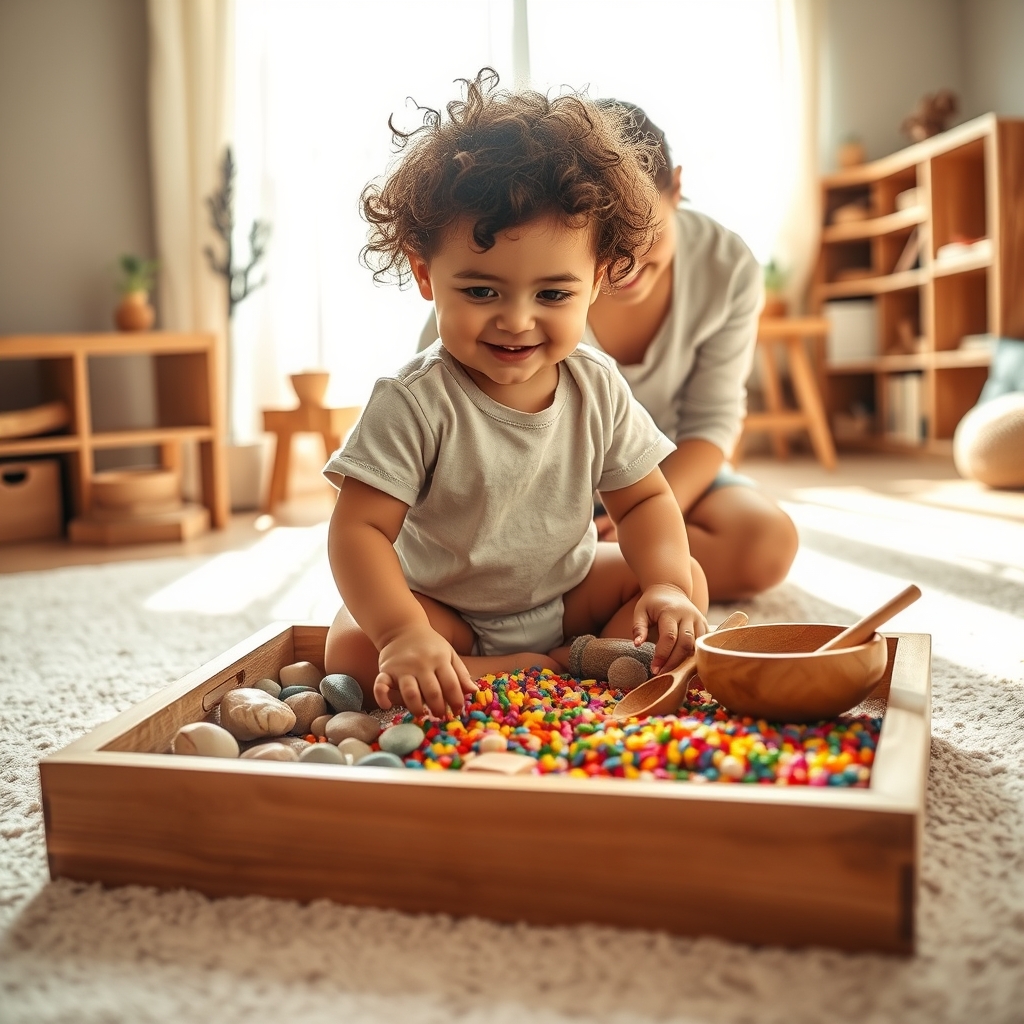
Imagine watching your toddler’s eyes light up as they squish cool, homemade playdough between their fingers or giggle while tracing shapes in a tray of rainbow rice. These moments aren’t just adorable—they’re powerful. Gentle parenting thrives on connection, curiosity, and nurturing a child’s natural desire to explore, and sensory play is one of the most effective ways to bring these principles to life. Whether you’re a new parent or a seasoned pro, incorporating sensory-rich activities into your daily routine can transform ordinary days into opportunities for growth, bonding, and joy.
Why Sensory Play Matters in Gentle Parenting
Sensory play isn’t just about keeping little hands busy—it’s a cornerstone of Montessori at home and gentle parenting because it respects a child’s autonomy while fostering their development. When children engage their senses—touch, sight, sound, smell, and even taste—they build neural connections that support everything from fine motor skills to emotional regulation. For parents who prioritize positive reinforcement and screen-free childhood experiences, sensory play offers a natural way to encourage learning without pressure.
Research shows that sensory activities help children process the world around them, reducing frustration and tantrums by giving them a safe outlet for big emotions. For example, a simple bin of dried beans can become a calming tool for a toddler who’s feeling overwhelmed, while a water table can turn a hot afternoon into a lesson in cause and effect. These moments of exploration align perfectly with the gentle parenting philosophy of meeting children where they are, without judgment or rush.
Eco-Friendly Sensory Play Ideas for Every Age
One of the beautiful aspects of sensory play is its simplicity. You don’t need expensive kits or plastic toys to create meaningful experiences—just a little creativity and a focus on eco-friendly diapers and materials. Here are some sustainable, budget-friendly ideas to inspire your little one’s next adventure:
For Newborns and Infants
Even the tiniest babies benefit from sensory exploration. Soft, organic fabrics like cotton or bamboo can be used to create textured blankets or sensory boards. Fill a small, sealed pouch with lavender-scented rice for a soothing touch-and-smell experience. These activities stimulate their developing senses while keeping their environment safe and non-toxic, aligning with newborn care essentials that prioritize gentle, natural materials.
Another simple idea is to use a shallow tray filled with water and a few floating objects, like wooden rings or silicone cups. Place it on a high-contrast mat (black and white patterns are especially engaging for newborns) and let them splash and explore. This not only introduces them to sensory play but also supports their visual development in a screen-free way.
For Toddlers and Preschoolers
Toddlers are natural explorers, and sensory play gives them the freedom to investigate while keeping messes contained. Try filling a large bin with cooked spaghetti (cooled and dyed with natural food coloring) for a squishy, tactile experience. Add scoops, cups, or small toys to encourage imaginative play. For a zero-waste option, use dried chickpeas or lentils as a base for a “dig and discover” activity—hide small objects like wooden animals or stones for them to find and sort.
For a toddler nutrition twist, create a “sensory snack station” with safe, edible items like sliced bananas, cooked pasta, or yogurt for finger painting. This not only engages their senses but also encourages healthy eating habits. Pair it with a baby wearing basics session—carry your little one in a sling while they explore the textures with their hands and mouth, fostering both connection and independence.
For Older Preschoolers
As children grow, sensory play can become more structured while still leaving room for creativity. Set up a “nature sensory table” with items like pinecones, leaves, and smooth stones for them to sort, count, or use in small-world play. Add a magnifying glass to turn it into a preschool learning game, encouraging them to observe details and ask questions. This approach blends sensory exploration with early science skills, all while reinforcing the gentle parenting value of curiosity-driven learning.
Another engaging activity is making organic baby food-inspired sensory bins. Use pureed sweet potatoes, oats, or mashed avocado as a base for a “mud kitchen” where they can mix, pour, and pretend to cook. This not only repurposes mealtime leftovers but also introduces them to the textures and smells of real food in a playful way.
Creating a Sensory-Friendly Home Environment
Incorporating sensory play into your daily routine doesn’t require a complete overhaul of your home—just a few thoughtful adjustments. Start by designating a “sensory zone” in your living space, like a corner of the kitchen or a low table in the playroom. Use child safety gates to keep little ones contained in a safe area where they can explore without constant supervision. Opt for washable, non-toxic materials like silicone mats or bamboo trays to make cleanup easy and eco-friendly.
For parents practicing Montessori at home, consider rotating sensory materials to keep the experience fresh and engaging. Store items in clear, labeled bins so your child can choose their activity independently, fostering a sense of autonomy. This aligns with the gentle parenting principle of respecting your child’s choices while gently guiding them toward new challenges.
Lighting and sound also play a role in creating a sensory-friendly environment. Soft, natural light or warm string lights can make the space feel cozy and inviting, while calming background music or nature sounds can enhance the experience. For children who are sensitive to overstimulation, dimming the lights or using noise-canceling headphones can help them feel more comfortable during play.
Balancing Sensory Play with Everyday Life
One of the biggest challenges parents face is finding time for sensory play amid the demands of daily life. The good news? Sensory activities don’t have to be time-consuming or elaborate. Even five minutes of focused play—like letting your toddler help you knead dough for bread or exploring the textures of different fruits while preparing a snack—can make a difference. These small moments add up, reinforcing your connection and supporting their development.
For busy families, parenting hacks like incorporating sensory play into routine tasks can be a game-changer. For example, let your child “paint” the bathtub with water and a sponge during bath time, or give them a small bowl of soapy water to “wash” their plastic toys while you tidy up. These activities turn chores into opportunities for bonding and learning, all while keeping the mess contained.
It’s also important to remember that sensory play isn’t just for “playtime.” Use it as a tool to transition between activities, like offering a calming sensory bin to help your child wind down before naptime or bedtime. For parents navigating baby sleep training, sensory play can be a gentle way to help little ones release energy and prepare for rest. A quiet activity like finger painting with pudding or exploring a bin of soft fabric scraps can ease the transition from play to sleep, making bedtime smoother for everyone.
Nurturing Connection Through Sensory Play
At its heart, sensory play is about more than just keeping little hands busy—it’s about creating moments of connection and joy. When you sit down with your child to explore a new texture or activity, you’re sending a powerful message: “I see you. I value your curiosity. I’m here to support you.” These small, intentional moments build trust and strengthen your bond, laying the foundation for a secure and loving relationship.
For parents who embrace gentle parenting, sensory play is a natural extension of your values. It allows you to meet your child’s needs with empathy, patience, and creativity, all while fostering their independence and confidence. Whether you’re using eco-friendly diapers to reduce waste or setting up a Montessori-inspired play space, every choice you make reflects your commitment to nurturing your child’s growth in a way that feels authentic and sustainable.
So the next time you’re tempted to reach for a screen to keep your little one occupied, pause and consider the magic of sensory play. Grab a handful of rice, a bowl of water, or a tray of natural materials, and watch as their imagination takes flight. In these simple, unstructured moments, you’re not just keeping them entertained—you’re giving them the tools to explore, learn, and thrive. And that’s a gift that will last long after the playdough dries and the rice is swept away.