
The Science of Gentle Parenting: How Small, Intentional Choices Shape Your Child’s Future
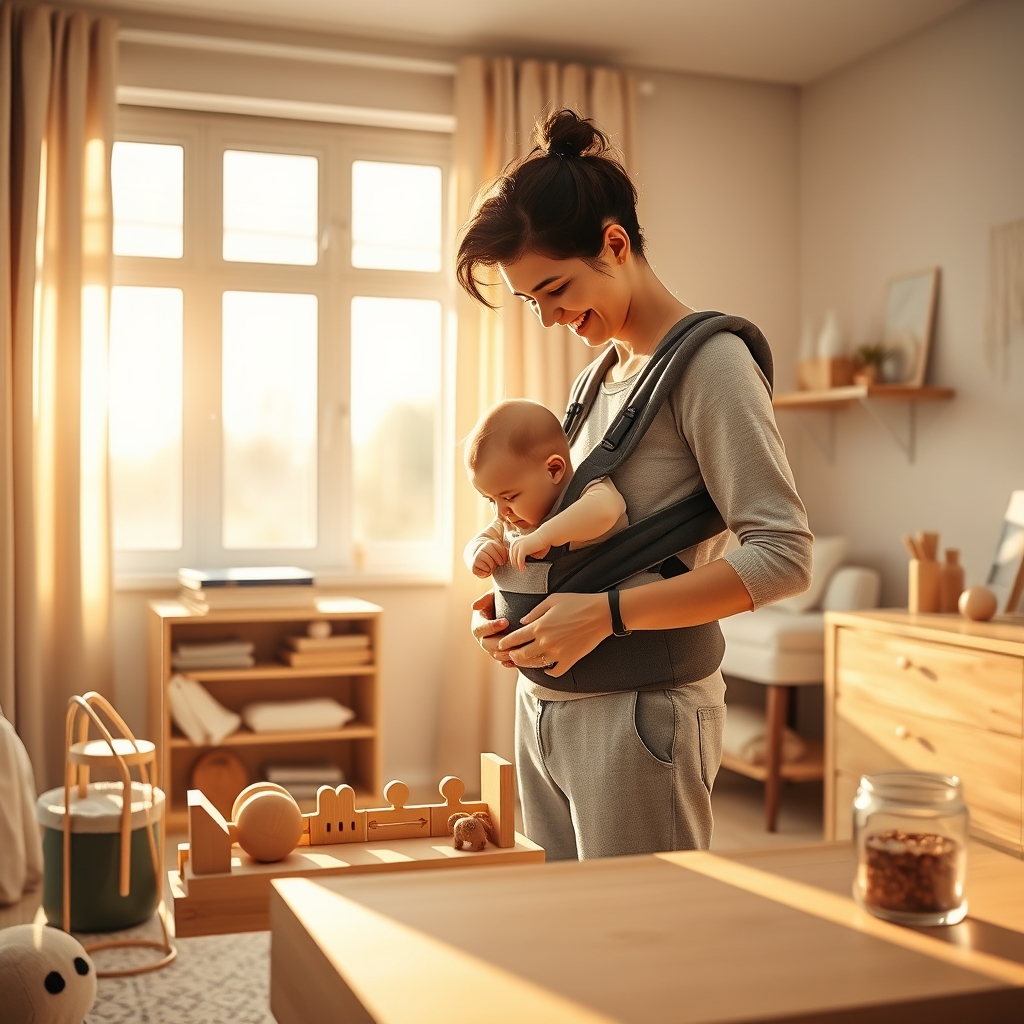
Imagine a parenting approach so intuitive, so deeply attuned to your child’s needs, that it transforms everyday moments into opportunities for connection and growth. Gentle parenting isn’t just a trend—it’s a science-backed philosophy that nurtures emotional resilience, fosters independence, and builds a foundation of trust between parent and child. But how do you weave this approach into the chaos of daily life without feeling overwhelmed? The answer lies in small, intentional choices that align with your child’s developmental stages, from the newborn phase to the toddler years.
Why Gentle Parenting Works: The Science Behind the Approach
At its core, gentle parenting is rooted in neuroscience and psychology. Research shows that children thrive in environments where they feel safe, seen, and soothed. When parents respond to their child’s cues with empathy rather than punishment, they strengthen the prefrontal cortex—the part of the brain responsible for emotional regulation and decision-making. This doesn’t mean permissive parenting; it means setting boundaries with kindness and consistency.
For example, instead of time-outs, gentle parenting encourages time-ins—sitting with your child to help them process their emotions. This approach reduces stress hormones like cortisol, which, when chronically elevated, can hinder cognitive development. Studies also link gentle parenting to higher emotional intelligence, better social skills, and even stronger immune systems in children.
Eco-Friendly Diapers and Sustainable Choices: Nurturing Your Baby and the Planet
One of the most impactful ways to embrace gentle parenting is through sustainable choices, starting with eco-friendly diapers. Traditional disposable diapers take up to 500 years to decompose, filling landfills with harmful chemicals and microplastics. In contrast, biodegradable or cloth diapers reduce waste and minimize exposure to toxins like dioxins and phthalates, which have been linked to allergies and hormonal disruptions.
But sustainability extends beyond diapers. Opting for organic baby food ensures your little one isn’t ingesting pesticides, while non-toxic nursery furniture protects them from off-gassing chemicals. Even baby-wearing basics—using ergonomic carriers—promote physical closeness while reducing your carbon footprint by eliminating the need for strollers in some situations. These choices aren’t just good for the planet; they’re gentle on your baby’s developing body.
Sensory Play Activities: The Building Blocks of Early Learning
Children learn best through play, and sensory play activities are a cornerstone of gentle parenting. These activities engage a child’s senses—touch, sight, sound, smell, and movement—helping them make sense of the world. For infants, simple activities like tummy time on textured mats or exploring soft fabric books stimulate neural connections. Toddlers benefit from more complex setups, like water tables with floating objects or DIY sensory bins filled with rice or beans.
The benefits of sensory play are vast. It enhances fine motor skills, encourages problem-solving, and even supports language development as children describe their experiences. Plus, it’s a natural way to introduce Montessori at home principles, such as child-led exploration and hands-on learning. The key is to follow your child’s lead—if they’re fascinated by the sound of crinkling paper, let them explore it fully before redirecting their attention.
Montessori at Home: Fostering Independence from Day One
The Montessori method aligns seamlessly with gentle parenting by emphasizing independence, respect, and self-directed learning. At home, this might look like setting up a low shelf with a few carefully chosen developmental toys, such as wooden puzzles or stacking rings, so your child can access them without help. It could also mean involving them in daily tasks, like wiping the table or putting away toys, to build confidence and life skills.
Another Montessori-inspired practice is creating a child-friendly environment. For example, placing a small pitcher of water and a cup on a low table encourages your toddler to pour their own drink, fostering autonomy. These small adjustments don’t just make life easier—they show your child that their capabilities are valued, which is a powerful form of positive reinforcement.
Baby Sleep Training and Breastfeeding Support: Gentle Approaches to Common Challenges
Sleep deprivation and feeding struggles are two of the biggest hurdles for new parents. Baby sleep training doesn’t have to mean cry-it-out methods; gentle alternatives like the “pick-up-put-down” technique or fading method prioritize responsiveness while teaching self-soothing. The goal isn’t to enforce rigid schedules but to create a predictable routine that respects your baby’s natural rhythms.
Similarly, breastfeeding support is about meeting your baby’s needs without pressure. Whether you breastfeed, formula-feed, or combine both, the focus should be on nurturing a secure bond. Lactation consultants, support groups, and even simple tools like nursing pillows can make the journey smoother. Remember, fed is best, and a well-fed baby is a happy baby.
Postpartum Wellness: Caring for Yourself While Caring for Your Baby
Gentle parenting starts with self-compassion. Postpartum wellness is often overlooked, but it’s crucial for both parent and child. Hormonal shifts, sleep deprivation, and the emotional weight of new parenthood can take a toll. Prioritizing rest, nutrition, and emotional support—whether through therapy, support groups, or simply asking for help—ensures you have the energy to show up for your baby.
Practices like babywearing can also double as self-care. A baby carrier allows you to keep your baby close while freeing your hands for light chores or even a moment of quiet. It’s a small but powerful way to integrate parenting hacks that benefit everyone.
Toddler Nutrition and Child Safety: Laying the Groundwork for Healthy Habits
As your baby grows, toddler nutrition becomes a key focus. Gentle parenting encourages a positive relationship with food by avoiding power struggles and offering a variety of nutrient-dense options. Think colorful plates with finger foods like avocado slices, steamed veggies, and whole-grain crackers. Involving toddlers in meal prep—even just washing veggies—makes them more likely to try new foods.
Safety is another critical aspect. Child safety gates and outlet covers are obvious choices, but gentle parenting extends to emotional safety too. For example, explaining why certain behaviors are off-limits (“We don’t hit because it hurts”) teaches empathy and boundaries without shame. Similarly, creating a screen-free childhood environment encourages creativity and reduces overstimulation.
Nursery Design Trends: Creating a Calm, Stimulating Space
Your baby’s environment plays a significant role in their development. Current nursery design trends focus on simplicity, natural materials, and sensory-rich spaces. A neutral color palette with soft textures—like organic cotton sheets and wool rugs—creates a calming atmosphere. Adding elements like a mobile with high-contrast patterns or a cozy reading nook with board books stimulates cognitive growth.
Safety is paramount, so opt for non-toxic paints, secure furniture, and baby-proofing measures like corner guards. But don’t forget the emotional aspect: a nursery should feel like a sanctuary for both parent and child, a place where co-sleeping safety (if chosen) or quiet bedtime routines can unfold with ease.
Baby Milestones and Developmental Toys: Celebrating Every Step
Every child develops at their own pace, but understanding baby milestones helps you provide the right support. From rolling over to saying their first word, these moments are opportunities to celebrate progress without comparison. Developmental toys play a crucial role here—think soft blocks for motor skills, shape sorters for problem-solving, or musical instruments for auditory development.
Gentle parenting means avoiding the pressure to “achieve” milestones on a timeline. Instead, focus on creating a nurturing environment where your child feels free to explore. For example, if your toddler is more interested in stacking cups than walking, that’s okay. Follow their lead, and trust that they’ll get there in their own time.
Preschool Learning Games: Making Education Fun and Engaging
The transition to preschool is a big step, but preschool learning games can make it smoother. Games like memory matching, scavenger hunts, or simple board games teach turn-taking, patience, and critical thinking. The key is to keep it playful—children learn best when they’re having fun, not when they feel pressured.
At home, you can reinforce these skills with everyday activities. Sorting laundry by color, counting steps as you walk, or singing songs with rhymes all support early learning. Gentle parenting in this stage is about fostering a love of discovery, not just academic achievement.
Parenting isn’t about perfection; it’s about presence. The small, intentional choices you make every day—from the diapers you choose to the way you respond to a tantrum—shape your child’s future in ways you might not even realize. By embracing gentle parenting, you’re not just raising a child; you’re nurturing a human who feels secure, valued, and capable of navigating the world with confidence. And that’s a gift that lasts a lifetime.