
The Art of Gentle Parenting: Nurturing Little Hearts with Love, Patience, and Purpose
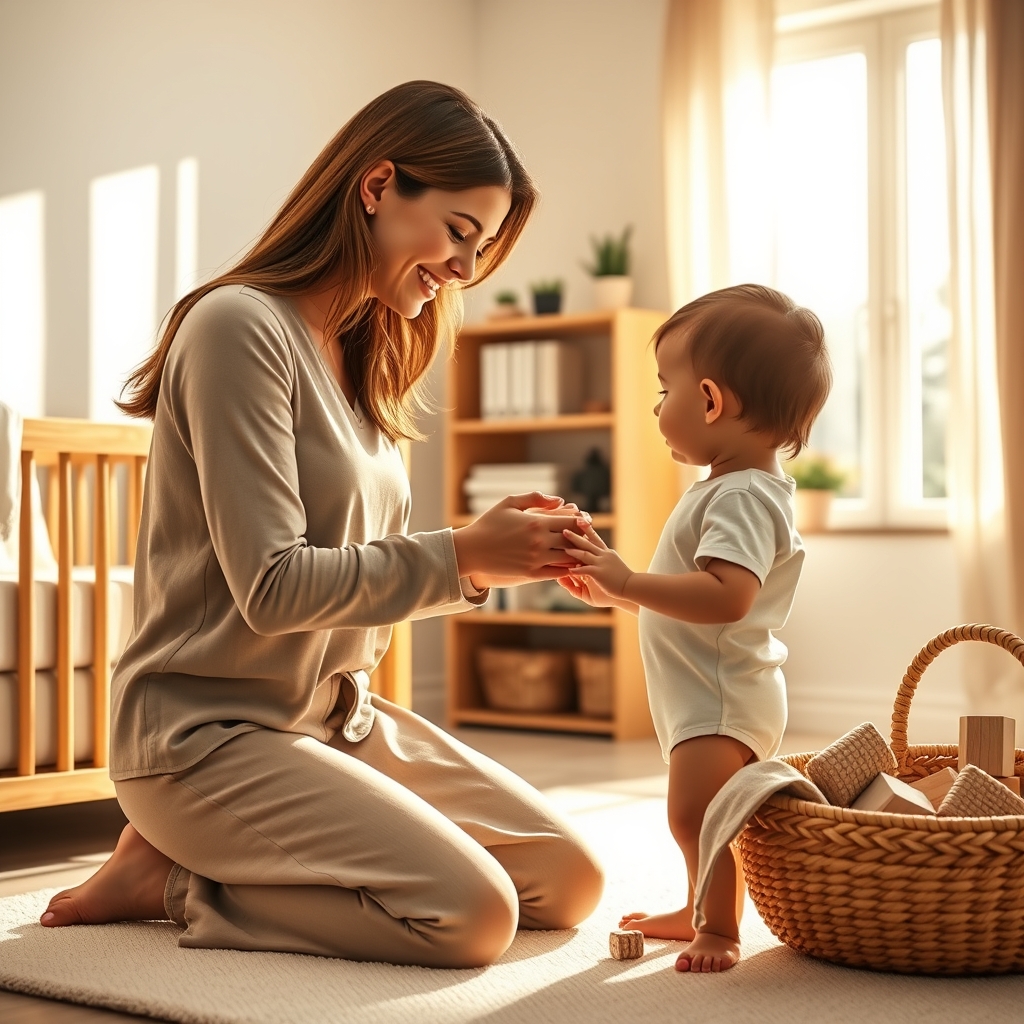
Imagine a world where parenting isn’t about control, but connection—where every tantrum becomes a teaching moment, and every bedtime story strengthens the bond between you and your child. Gentle parenting isn’t just a trend; it’s a transformative approach that prioritizes empathy, respect, and emotional intelligence. Unlike traditional methods that rely on rewards and punishments, gentle parenting fosters a deep sense of security and trust, helping children grow into confident, compassionate individuals. If you’ve ever felt overwhelmed by the noise of modern parenting advice, this philosophy offers a refreshing, heart-centered alternative.
What Is Gentle Parenting, and Why Does It Matter?
At its core, gentle parenting is about raising children with kindness, understanding, and clear boundaries. It’s rooted in the belief that children thrive when they feel heard, valued, and safe. This approach avoids harsh discipline, instead focusing on guiding behavior through positive reinforcement and open communication. Research shows that children raised with gentle parenting techniques tend to have stronger emotional regulation, better social skills, and higher self-esteem.
But gentle parenting isn’t about being permissive. It’s about setting firm yet loving limits while acknowledging your child’s emotions. For example, instead of saying, “Stop crying or you’ll be punished,” a gentle parent might say, “I see you’re upset. Let’s talk about what’s bothering you.” This shift in language builds trust and teaches children how to navigate their feelings in healthy ways.
Practical Ways to Embrace Gentle Parenting in Daily Life
Transitioning to gentle parenting doesn’t happen overnight, but small, intentional changes can make a big difference. Start by replacing commands with choices—“Would you like to put on your shoes first or your jacket?”—to give your child a sense of autonomy. When conflicts arise, focus on problem-solving together rather than imposing solutions. For instance, if your toddler refuses to eat dinner, ask, “What do you think would help you feel hungry?” instead of forcing a bite.
Another key aspect is modeling the behavior you want to see. Children learn by observing, so demonstrating patience, active listening, and emotional regulation sets a powerful example. If you lose your temper, use it as an opportunity to show accountability: “I’m sorry I raised my voice. I was frustrated, but I’ll try to stay calm next time.” These moments of vulnerability strengthen your connection and teach resilience.
Gentle Parenting and Eco-Friendly Choices: A Perfect Pair
Gentle parenting naturally aligns with eco-conscious living, as both philosophies prioritize nurturing and sustainability. One of the most impactful ways to merge the two is by choosing eco-friendly diapers. Traditional disposable diapers contribute to landfill waste and often contain harmful chemicals, while cloth or biodegradable options reduce environmental impact and are gentler on your baby’s skin. Pairing gentle parenting with mindful product choices creates a healthier home for your child and the planet.
Similarly, opting for organic baby food and non-toxic toys minimizes exposure to pesticides and synthetic materials. These small steps reinforce the message that care—whether for people or the environment—is a priority. When children grow up in a home that values sustainability, they internalize those values, becoming more conscious and compassionate individuals.
Creating a Calm and Nurturing Home Environment
The physical space your child grows up in plays a significant role in their emotional well-being. A thoughtfully designed nursery, for example, can promote relaxation and security. Current nursery design trends favor soft, neutral colors, natural materials like wood and cotton, and minimalist layouts to reduce overstimulation. Adding elements like blackout curtains, white noise machines, and cozy reading nooks can further enhance the space’s calming effect.
Beyond aesthetics, consider the sensory experiences in your home. Sensory play activities, such as finger painting, water tables, or textured fabric boards, help children explore the world in a safe, engaging way. These activities aren’t just fun—they support cognitive development, fine motor skills, and emotional regulation. Incorporating them into daily routines makes learning feel like play, which is at the heart of gentle parenting.
Navigating Challenges with Confidence and Compassion
No parenting journey is without its hurdles, and gentle parenting is no exception. Sleep training, for example, can feel daunting when approached with empathy. Instead of rigid methods, try gradual techniques like fading or bedtime routines that prioritize comfort. If your baby struggles with night wakings, respond with soothing words and gentle touch to reassure them without reinforcing dependency. Over time, consistency and patience will help your child develop healthy sleep habits.
Breastfeeding, too, can present challenges, from latch issues to low milk supply. Seeking breastfeeding support from lactation consultants or support groups can make a world of difference. Remember, gentle parenting extends to self-compassion—it’s okay to ask for help. Whether it’s postpartum wellness, toddler nutrition, or child safety gates, every parent faces moments of uncertainty. What matters is approaching those moments with kindness, for yourself and your child.
Building a Toolkit for Long-Term Success
Gentle parenting isn’t a one-size-fits-all solution, but a flexible framework that adapts to your child’s unique needs. As they grow, you’ll find new ways to apply its principles—whether through Montessori at home activities, preschool learning games, or positive reinforcement techniques. The goal isn’t perfection, but progress. Celebrate the small wins, like a child who expresses their emotions instead of hitting, or a toddler who helps clean up without being asked.
At its essence, gentle parenting is about raising children who feel loved, capable, and secure. It’s about creating a home where mistakes are met with understanding, and every day is an opportunity to grow together. By embracing this approach, you’re not just shaping your child’s future—you’re nurturing a relationship built on trust, respect, and unconditional love. And in a world that often feels rushed and disconnected, that’s a gift that lasts a lifetime.