
Montessori at Home: Simple Ways to Foster Independence and Curiosity in Your Child
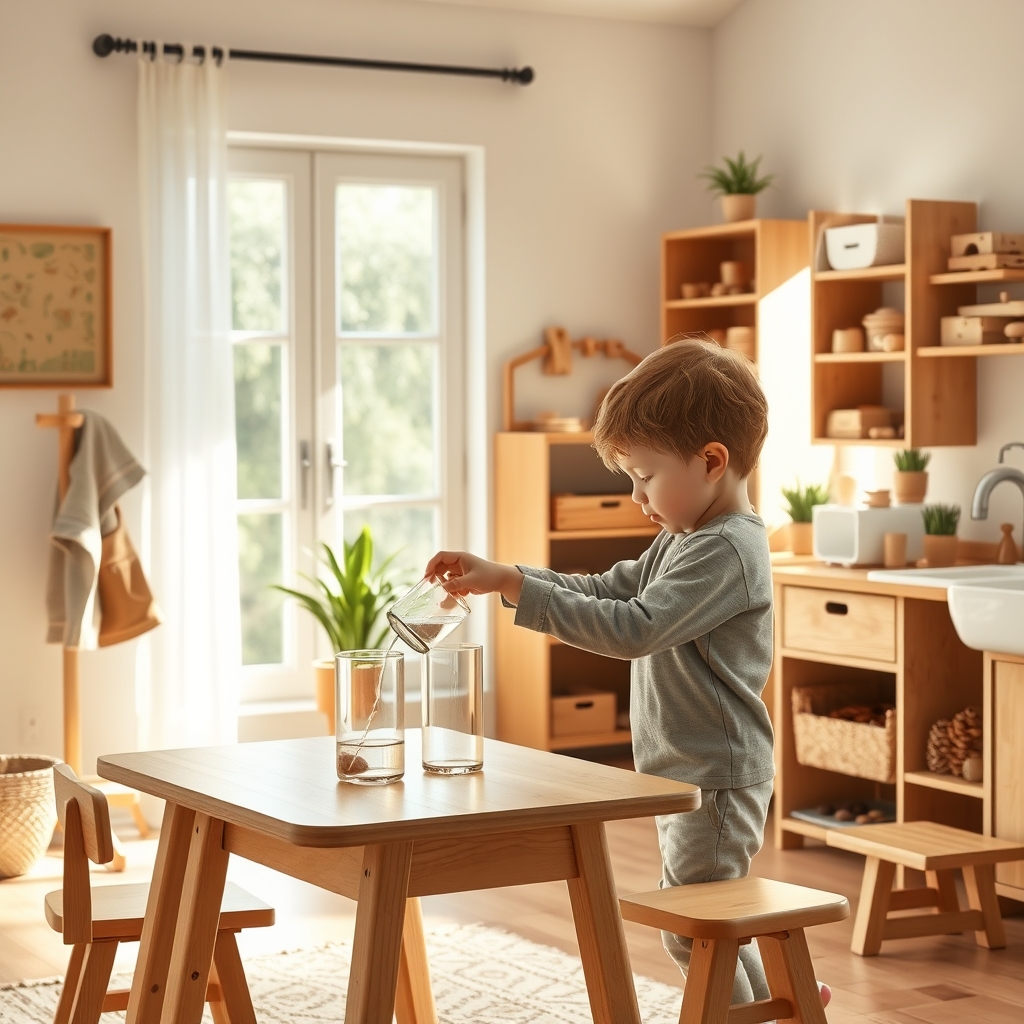
Raising a child in a way that nurtures their natural curiosity and independence doesn’t require a complete overhaul of your home or lifestyle. The Montessori method, developed by Dr. Maria Montessori, emphasizes creating an environment where children can explore, learn, and grow at their own pace. By incorporating a few key principles into your daily routine, you can transform your home into a space that encourages self-discovery and confidence. Here’s how to bring Montessori into your home in practical, meaningful ways.
The Philosophy Behind Montessori
At its core, the Montessori method is about respecting the child as an individual with unique interests and abilities. It’s not about rigid rules or structured lessons but rather about observing your child and providing them with the tools they need to thrive. The approach is built on four pillars: independence, observation, following the child, and a prepared environment. These principles guide parents in creating a space where children feel empowered to make choices, solve problems, and engage with the world around them.
One of the most beautiful aspects of Montessori is its focus on hands-on learning. Children are naturally drawn to activities that allow them to use their senses and develop fine and gross motor skills. By offering opportunities for exploration—whether through sensory play, practical life activities, or open-ended toys—you’re helping your child build a strong foundation for lifelong learning.
Creating a Prepared Environment
A prepared environment is one of the cornerstones of the Montessori method. This means designing your home in a way that allows your child to access what they need independently. Start by assessing your space from your child’s perspective. Are their toys, books, and clothes within reach? Can they easily access a cup or snack when they’re hungry? Small adjustments, like lowering hooks for coats or placing a step stool in the bathroom, can make a big difference in fostering independence.
In the living room or play area, opt for open shelving instead of toy boxes. This not only makes it easier for your child to see and choose their activities but also encourages them to take responsibility for cleaning up. Rotate toys and materials regularly to keep their environment fresh and engaging. When children have access to a variety of thoughtfully selected items, they’re more likely to stay engaged and develop deeper concentration.
Practical Life Activities
Practical life activities are a key component of Montessori at home. These are everyday tasks that help children develop coordination, concentration, and a sense of responsibility. Simple activities like pouring water, sweeping the floor, or buttoning a shirt may seem mundane, but they’re incredibly valuable for your child’s development. Start with tasks that match your child’s skill level and gradually introduce more complex ones as they grow.
For example, a toddler can help wash vegetables, set the table, or water plants. These activities not only teach valuable life skills but also boost confidence and self-esteem. When children see that their contributions matter, they feel a sense of pride and accomplishment. Plus, involving them in daily chores makes your life easier in the long run!
Choosing the Right Toys and Materials
Montessori-inspired toys are designed to be simple, open-ended, and made from natural materials. Unlike electronic toys that do the thinking for the child, Montessori toys encourage creativity and problem-solving. Wooden puzzles, stacking blocks, and sensory bins are all great options. Look for toys that allow your child to explore different textures, shapes, and colors while developing their fine motor skills.
When selecting toys, focus on quality over quantity. A few well-chosen items are more beneficial than a room overflowing with plastic toys. Rotate toys every few weeks to keep your child’s interest alive. This not only prevents boredom but also helps them engage more deeply with the materials they have. Remember, the goal is to spark curiosity, not overwhelm them with choices.
Encouraging Independence in Daily Routines
Independence is a central theme in Montessori, and it starts with everyday routines. Encourage your child to dress themselves, even if it takes a little longer. Offer choices to give them a sense of control—like letting them pick between two outfits or decide what fruit to have with breakfast. These small decisions help children feel capable and confident in their abilities.
Mealtime is another great opportunity to foster independence. Provide child-sized utensils, plates, and cups so your child can feed themselves. If they’re old enough, involve them in preparing simple meals or snacks. Even young children can help spread butter on toast or tear lettuce for a salad. These activities not only teach practical skills but also create opportunities for bonding and conversation.
Observation and Following the Child
One of the most powerful tools in the Montessori method is observation. By watching your child closely, you can learn what interests them, what challenges them, and what they’re ready to explore next. Instead of directing their play, follow their lead. If they’re fascinated by bugs, provide books or magnifying glasses to fuel their curiosity. If they love building, offer blocks or other construction materials.
Observation also means stepping back and allowing your child to struggle a little. It’s natural to want to help, but solving problems on their own builds resilience and problem-solving skills. Offer support when needed, but resist the urge to intervene too quickly. Trust that your child is capable of more than you might think.
Montessori Beyond the Home
While Montessori principles are often applied at home, they can also extend to other areas of your child’s life. Look for preschools or daycare centers that incorporate Montessori methods if you’re considering formal education. Even if you don’t choose a Montessori school, you can still apply these principles in everyday interactions. For example, encourage your child to express their feelings and opinions, and listen to them with respect. This builds their communication skills and reinforces their sense of self-worth.
Outings can also be an opportunity to practice Montessori principles. Whether you’re at the grocery store or the park, involve your child in the experience. Let them help pick out fruits and vegetables, or encourage them to observe and describe what they see. These real-world interactions are just as valuable as any activity at home.
Bringing Montessori into your home isn’t about perfection—it’s about creating a nurturing environment where your child feels seen, heard, and capable. It’s about celebrating their unique journey and giving them the freedom to explore the world at their own pace. As you incorporate these principles into your daily life, you’ll likely find that the benefits extend beyond your child. You’ll rediscover the joy of learning alongside them, and perhaps even see the world through fresh, curious eyes. The beauty of Montessori lies in its simplicity: it’s not about doing more, but about doing things with intention, patience, and love.