
Eco-Friendly Diapers and Gentle Parenting: A Sustainable Approach to Nurturing Your Baby’s Health and the Planet
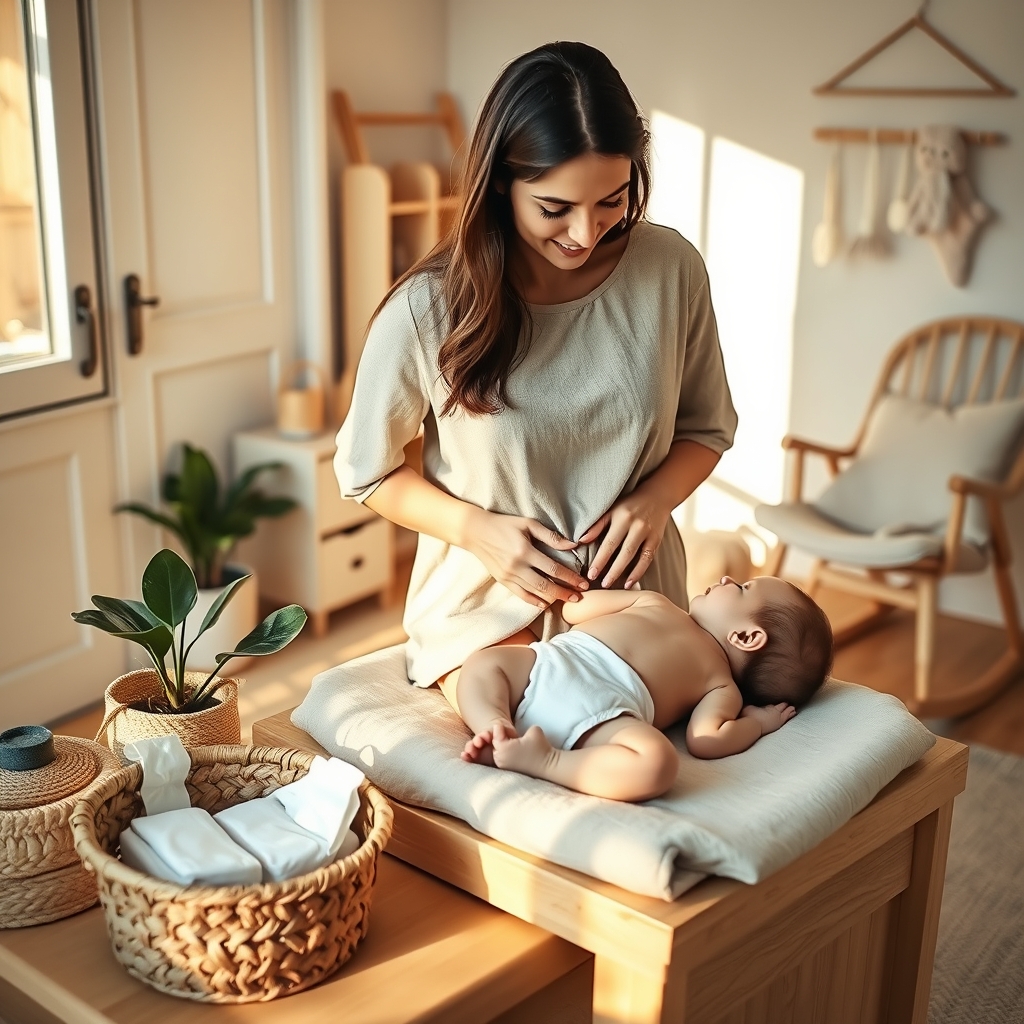
Parenting in today’s world means making choices that nurture both your baby and the environment. If you’ve ever stood in the diaper aisle feeling overwhelmed by options, you’re not alone. Many parents are turning to eco-friendly diapers as a cornerstone of gentle parenting, blending sustainability with the care and comfort their little ones deserve. These diapers aren’t just kinder to the planet—they’re designed to be gentler on delicate skin, reducing irritation and fostering a healthier start for your baby.
Why Eco-Friendly Diapers Align with Gentle Parenting Values
Gentle parenting is all about intentional, compassionate choices that prioritize a child’s emotional and physical well-being. Eco-friendly diapers fit seamlessly into this philosophy by addressing two key concerns: health and sustainability. Traditional disposable diapers often contain chemicals like chlorine, dyes, and synthetic fragrances, which can irritate sensitive skin. In contrast, eco-friendly alternatives use natural, plant-based materials such as bamboo, organic cotton, or cornstarch, minimizing the risk of rashes and allergies.
Beyond skin health, these diapers reduce your family’s environmental footprint. The average baby goes through thousands of diapers before potty training, and conventional disposables can take centuries to decompose. Eco-friendly options, whether biodegradable or compostable, break down more quickly, easing the burden on landfills. For parents committed to gentle parenting, this choice reflects a broader commitment to nurturing a healthier future for their child.
Choosing the Right Eco-Friendly Diapers for Your Baby
Not all eco-friendly diapers are created equal, so it’s important to know what to look for. Start by checking the materials: opt for diapers made from organic cotton, bamboo, or chlorine-free wood pulp, as these are less likely to cause irritation. Some brands also offer hypoallergenic options, which are ideal for babies with eczema or sensitive skin.
Absorbency is another critical factor. While eco-friendly diapers have come a long way, some may not hold up as well overnight or during long outings. Look for brands that use plant-based superabsorbent polymers (SAPs) or multiple layers of natural fibers to keep your baby dry. Additionally, consider the fit—diapers that are too tight or too loose can lead to leaks or discomfort. Many eco-friendly brands offer sizing guides to help you find the perfect match for your little one.
Cloth Diapers: A Reusable Alternative
For parents who want to take sustainability a step further, cloth diapers are a reusable option that aligns with gentle parenting principles. Modern cloth diapers are far from the bulky, pins-and-plastic covers of the past. Today’s designs feature adjustable sizing, breathable fabrics, and easy-to-use fasteners, making them a practical choice for busy families.
Cloth diapers also offer long-term cost savings, as they can be reused for multiple children. To make the switch easier, start with a hybrid approach—using cloth diapers at home and eco-friendly disposables when you’re out and about. This balance allows you to reduce waste while maintaining convenience. Pairing cloth diapers with organic baby wipes and a gentle, eco-friendly detergent ensures your baby’s skin stays happy and healthy.
Pairing Eco-Friendly Diapers with Other Gentle Parenting Practices
While eco-friendly diapers are a great start, they’re just one piece of the gentle parenting puzzle. Combining them with other mindful practices can create a nurturing environment that supports your baby’s development. For example, baby-wearing not only strengthens the parent-child bond but also reduces the need for disposable diapers by making it easier to respond to your baby’s cues before a change is needed.
Incorporating sensory play activities into your daily routine can also enhance your baby’s learning while reinforcing gentle parenting values. Simple, screen-free activities like exploring different textures or listening to soothing sounds stimulate your baby’s senses without overstimulation. These moments of connection foster trust and security, which are at the heart of gentle parenting.
Nurturing Postpartum Wellness Alongside Your Baby
Gentle parenting isn’t just about your baby—it’s also about caring for yourself. The postpartum period can be challenging, both physically and emotionally, and prioritizing postpartum wellness ensures you have the energy and patience to meet your baby’s needs. Simple self-care practices, like staying hydrated, eating nourishing meals, and accepting help from loved ones, can make a big difference in your well-being.
When you feel supported, it’s easier to make thoughtful choices, like opting for organic baby food or creating a calming nursery design that promotes restful sleep. These small, intentional decisions add up, creating a home environment that reflects your values and nurtures your family’s health.
Making the Switch: Practical Tips for Busy Parents
Transitioning to eco-friendly diapers doesn’t have to be overwhelming. Start by trying a few different brands to see which one works best for your baby’s skin and your lifestyle. Many companies offer sample packs, allowing you to test absorbency, fit, and comfort before committing to a full-size pack. Keep a journal to track any changes in your baby’s skin or diaper performance, so you can make adjustments as needed.
If you’re using cloth diapers, establish a simple washing routine to keep them clean and fresh. Pre-rinsing soiled diapers and using a gentle, fragrance-free detergent will help maintain their absorbency and longevity. For parents on the go, consider investing in a wet bag to store used diapers until you’re home—these are leak-proof and easy to toss in your diaper bag.
Remember, gentle parenting is about progress, not perfection. Every small step toward sustainability—whether it’s choosing eco-friendly diapers, reducing plastic waste, or spending more time in nature with your baby—contributes to a healthier, happier future. By making mindful choices today, you’re not only nurturing your little one but also teaching them the value of caring for the world around them.