
The Gentle Parenting Approach to Child Safety: Eco-Friendly Gates, Positive Reinforcement, and Peace of Mind
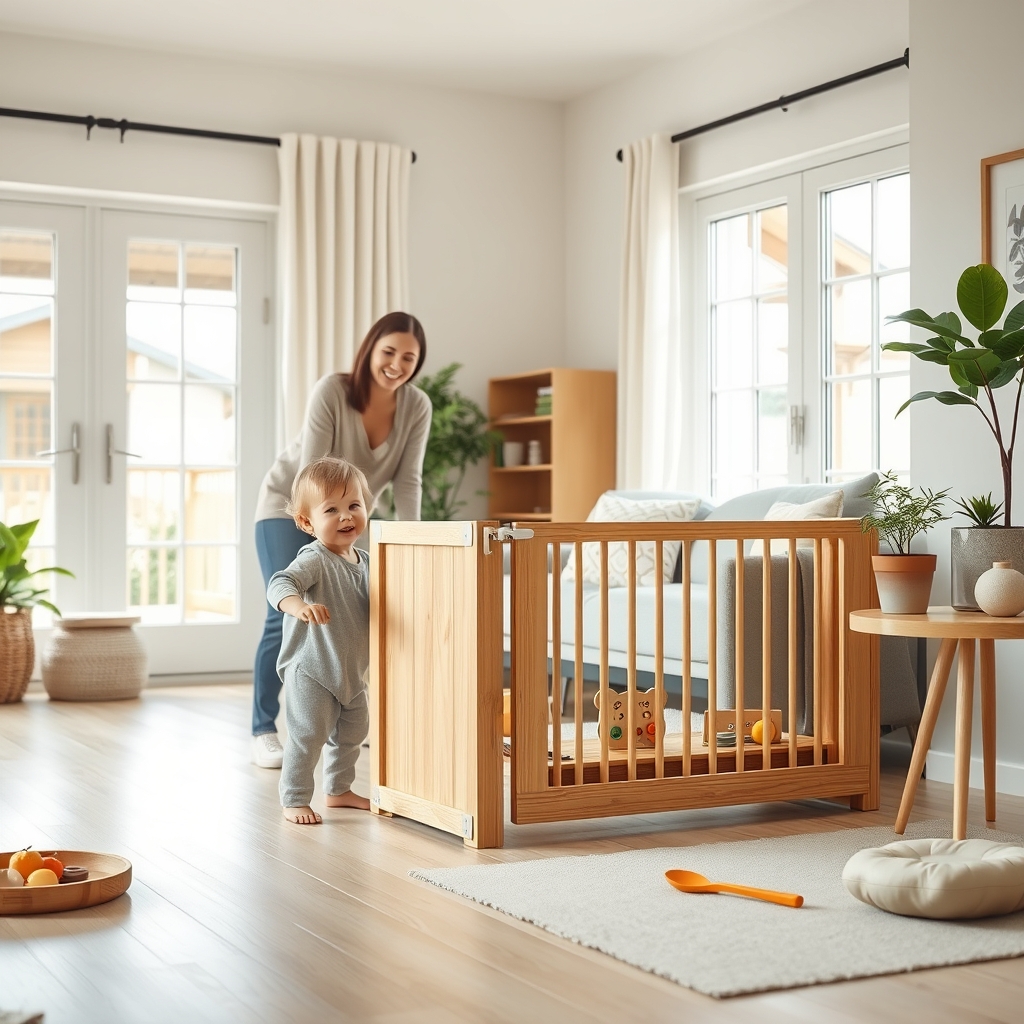
Imagine watching your curious toddler explore their world with boundless energy—reaching for every corner, climbing every surface, and touching everything in sight. While their adventurous spirit is a beautiful sign of growth, it can also leave parents feeling a mix of pride and panic. The good news? With the right blend of gentle parenting and thoughtful safety measures, you can create a home where your little one thrives without constant worry. This approach isn’t about restriction; it’s about fostering independence while ensuring their environment is as safe as it is stimulating.
Why Gentle Parenting and Child Safety Go Hand in Hand
Gentle parenting isn’t just about emotional connection—it’s about creating a holistic environment where your child feels secure, respected, and free to explore. When it comes to safety, this philosophy translates into proactive measures that align with your child’s developmental needs. Instead of relying on fear-based tactics (“Don’t touch that!”), gentle parenting encourages setting boundaries with empathy and consistency. For example, explaining why a child safety gate is in place—”This gate helps keep you safe while you play”—helps toddlers understand limits without feeling stifled.
This approach also extends to the tools you choose. Opting for eco-friendly child safety gates made from sustainable materials ensures your home remains safe for your child *and* the planet. Brands like Safety 1st and Evenflo now offer gates crafted from bamboo or recycled plastics, proving that safety and sustainability can coexist beautifully.
Choosing the Right Safety Gates for Your Home
Not all safety gates are created equal, and the best choice depends on your home’s layout and your child’s mobility. Here’s what to consider:
Pressure-Mounted vs. Hardware-Mounted Gates
Pressure-mounted gates are ideal for doorways or areas where drilling isn’t an option, but they’re not suitable for the top of stairs. Hardware-mounted gates, on the other hand, provide a sturdier solution for high-risk zones like staircases. For a gentle parenting twist, involve your toddler in the process—let them watch you install the gate and explain how it keeps them safe. This transparency builds trust and reduces resistance.
Eco-Friendly Materials
Look for gates made from non-toxic, sustainable materials. Bamboo gates, for instance, are durable, biodegradable, and free from harmful chemicals like BPA or phthalates. Some brands even offer gates with organic cotton or hemp components, ensuring every part of your home aligns with your eco-conscious values.
Adjustable and Grow-With-Me Designs
Toddlers grow quickly, so invest in gates that can adapt to their changing needs. Adjustable widths and extendable panels ensure your safety measures grow alongside your child. Some gates even double as room dividers or pet barriers, offering long-term value.
Positive Reinforcement: The Gentle Parenting Secret to Safety Compliance
Even the safest home won’t prevent every curious attempt to climb or explore. That’s where positive reinforcement comes in. Instead of scolding your child for testing boundaries, praise their efforts to follow safety rules. For example, if they stop at a gate and ask for help instead of trying to climb it, celebrate their choice: “I love how you remembered to ask for help! That’s so safe and smart.”
This approach works because it focuses on what your child *can* do, rather than what they *can’t*. Over time, they’ll associate safety with positive emotions, making them more likely to follow guidelines willingly. Pair this with sensory play activities near safe zones—like a soft play mat with textured toys—to redirect their energy toward constructive exploration.
Creating a Safe *and* Stimulating Environment
Safety gates aren’t just barriers; they’re opportunities to design intentional spaces where your child can play, learn, and grow. Here’s how to make the most of them:
Designate Play Zones
Use gates to create dedicated play areas where your child can engage in Montessori at home activities or toddler nutrition prep stations. For example, a gated kitchen corner with child-safe utensils and a small table lets them “cook” alongside you, fostering independence while keeping them away from hazards like hot stoves.
Incorporate Developmental Toys
Place developmental toys near safety gates to encourage engagement. A busy board with latches, knobs, and textures can turn a gated doorway into a mini learning hub. This not only keeps your child occupied but also helps them develop fine motor skills in a safe space.
Rotate Sensory Play Activities
Keep your child’s environment dynamic by rotating sensory play activities within gated areas. A bin of rice or water beads (supervised, of course) can provide hours of tactile exploration. Pair this with organic baby food snacks to create a multisensory experience that nurtures both body and mind.
Beyond Gates: Gentle Parenting Safety Tips for Every Room
While gates are a cornerstone of childproofing, gentle parenting extends safety to every part of your home. Here’s how to apply this philosophy room by room:
The Nursery: A Sanctuary of Safety and Comfort
Your baby’s nursery should be a haven for rest and growth. Opt for eco-friendly diapers and organic crib sheets to reduce exposure to toxins. Secure furniture to walls to prevent tipping, and use soft, rounded-edge decor to minimize bumps. A Montessori-inspired floor bed can also encourage safe independence as your baby grows.
The Kitchen: A Hub for Learning and Safety
Kitchens are full of hazards, but they’re also where some of the best learning happens. Use gates to block off high-risk areas, then create a “yes space” where your toddler can explore safely. Stock low cabinets with toddler nutrition-friendly snacks and unbreakable dishes, and let them “wash” plastic veggies in a bowl of water. This turns mealtime prep into a sensory play activity while keeping them engaged and safe.
The Living Room: Balancing Play and Protection
Living rooms are often the heart of the home, but they’re also filled with potential dangers like sharp coffee tables and unsecured electronics. Use gates to section off areas with heavy furniture, and swap out hard decor for soft, plush alternatives. A screen-free childhood corner with books and developmental toys can also encourage imaginative play while reducing reliance on screens.
Teaching Safety Through Gentle Guidance
Ultimately, the goal of gentle parenting is to raise children who understand safety as a natural part of their world—not as a set of arbitrary rules. Use everyday moments to teach them about hazards in a calm, age-appropriate way. For example, when they reach for a hot cup of coffee, say, “Ouch, that’s hot! Let’s find something cool for you to touch instead.” This approach builds trust and helps them internalize safety without fear.
As your child grows, involve them in safety checks. Let them help you test gates, choose organic baby food at the store, or pick out eco-friendly diapers. These small acts of collaboration reinforce their role in keeping themselves and their environment safe. Over time, they’ll develop a sense of responsibility that extends far beyond the nursery or playroom.
Creating a safe home isn’t about eliminating every risk—it’s about empowering your child to explore with confidence. By combining thoughtful safety measures like child safety gates with the principles of gentle parenting, you’re not just protecting them; you’re teaching them how to navigate the world with curiosity, caution, and care. And that’s a foundation no gate can contain.