
Montessori at Home: Gentle Parenting Strategies for Fostering Independence and Confidence in Toddlers
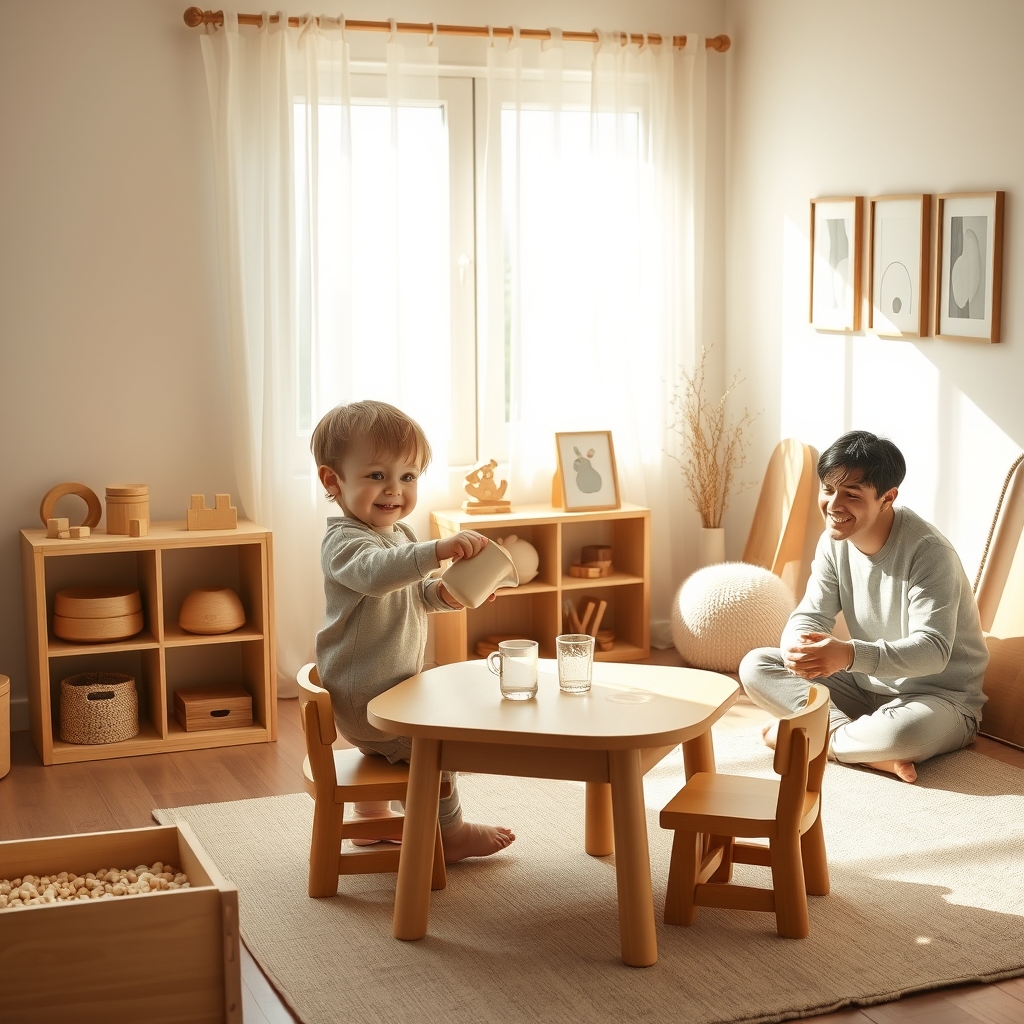
Imagine watching your toddler confidently pour their own water, choose their clothes, or tidy up their toys—all with a sense of pride and accomplishment. This isn’t just a dream; it’s the magic of Montessori at home, a gentle parenting approach that nurtures independence, curiosity, and self-assurance from an early age. By creating an environment that respects your child’s natural development, you’re not just raising a capable little human—you’re fostering a lifelong love of learning and a deep sense of confidence that will serve them far beyond their toddler years.
Why Montessori at Home Aligns with Gentle Parenting
Gentle parenting and Montessori principles share a common foundation: respect for the child as an individual. Both approaches emphasize empathy, patience, and trust in a child’s ability to learn and grow at their own pace. When you integrate Montessori at home, you’re not just setting up activities; you’re creating a space where your child feels seen, heard, and empowered to explore. This alignment makes it easier to practice positive reinforcement, avoid power struggles, and build a relationship based on mutual respect.
For example, instead of rushing to dress your toddler every morning, you might set up a low-hanging wardrobe with a few simple choices. This small change allows your child to make decisions, fosters their fine motor skills, and reduces frustration for both of you. It’s a win-win that embodies the essence of gentle parenting.
Setting Up a Montessori-Friendly Space at Home
Creating a Montessori-inspired environment doesn’t require a complete home makeover. Start with small, intentional changes that make your space accessible and engaging for your little one. Focus on three key areas: accessibility, simplicity, and purpose.
Accessibility: Child-Sized Furniture and Tools
Toddlers thrive when they can interact with their environment independently. Invest in or DIY child-sized furniture, such as a small table and chairs, a low shelf for toys, or a step stool for the sink. These adjustments allow your child to engage in daily activities—like washing their hands or setting the table—without constant assistance. The goal is to remove barriers so they can explore and contribute to family life with confidence.
Simplicity: Less Clutter, More Focus
A clutter-free space is essential for a Montessori home. Too many toys or distractions can overwhelm a child and hinder their ability to focus. Rotate toys every few weeks to keep their environment fresh and engaging, and opt for open-ended toys like wooden blocks, stacking rings, or sensory bins. These toys encourage creativity and problem-solving, aligning perfectly with gentle parenting’s emphasis on developmental toys that grow with your child.
Purpose: Every Item Has a Place
In a Montessori home, everything has a designated spot, and children are encouraged to return items to their place after use. This teaches responsibility and helps your toddler develop a sense of order. Use clear bins or baskets labeled with pictures to make cleanup intuitive. Over time, your child will take pride in maintaining their space, reinforcing their independence and self-discipline.
Montessori Activities for Toddlers: Playful Learning in Action
Montessori activities are designed to be simple, hands-on, and engaging, making them perfect for toddlers. These activities not only support cognitive and motor skill development but also align with gentle parenting’s focus on sensory play activities and preschool learning games. Here are a few ideas to get you started:
Practical Life Skills
Practical life activities are the cornerstone of Montessori at home. These tasks mimic real-world activities and help toddlers develop coordination, concentration, and independence. Try setting up a small pitcher of water and a cup for your child to practice pouring, or provide a child-sized broom and dustpan for them to help with cleanup. These activities may seem simple, but they build confidence and fine motor skills in ways that screen time never could.
Sensory Exploration
Sensory play is a powerful tool for toddler development, and it’s easy to incorporate into a Montessori home. Create a sensory bin filled with rice, beans, or water beads, and add scoops, funnels, or small toys for exploration. You can also set up a sensory play activity like a texture board with different fabrics or a sound box with various materials to shake and listen to. These activities engage your child’s senses and encourage curiosity, all while keeping them screen-free.
Language and Cognitive Development
Montessori activities for language and cognitive development are designed to be interactive and engaging. Try a matching game with objects and pictures, or set up a simple sorting activity with colored pom-poms and muffin tins. For older toddlers, introduce preschool learning games like a DIY memory match or a storytelling basket with small figures and props. These activities foster critical thinking and language skills in a playful, pressure-free way.
Balancing Montessori with Gentle Parenting: Tips for Success
While Montessori at home is a powerful tool for fostering independence, it’s important to balance it with the warmth and connection of gentle parenting. Here are a few tips to help you integrate both approaches seamlessly:
Follow Your Child’s Lead
Gentle parenting is all about tuning into your child’s needs and responding with empathy. When practicing Montessori at home, observe your child’s interests and adapt activities accordingly. If they’re fascinated by pouring water, set up more pouring activities. If they lose interest in a task, don’t force it—follow their cues and try something new. This flexibility ensures that learning remains joyful and pressure-free.
Embrace Mistakes as Learning Opportunities
In a Montessori home, mistakes are seen as natural parts of the learning process. If your child spills water while pouring or struggles to button their shirt, resist the urge to intervene immediately. Instead, offer gentle guidance and let them problem-solve. This approach builds resilience and reinforces the idea that mistakes are opportunities to grow, not failures to avoid.
Prioritize Connection Over Perfection
It’s easy to get caught up in creating the “perfect” Montessori environment, but gentle parenting reminds us that connection is what truly matters. If your child wants to cuddle instead of doing an activity, that’s okay. If they’d rather play with a cardboard box than a wooden puzzle, that’s okay too. The goal is to nurture their independence while honoring their need for love and security.
Creating a Montessori Routine That Works for Your Family
One of the biggest misconceptions about Montessori at home is that it requires a rigid schedule. In reality, it’s about creating a rhythm that works for your family. Start by incorporating Montessori principles into your daily routines, such as mealtime, bedtime, and playtime. For example, involve your toddler in preparing snacks by letting them wash fruits or spread butter on toast. During bedtime, create a calming routine that includes a short sensory play activity like a lavender-scented foot rub or a quiet story.
As you integrate these small changes, you’ll notice that your child becomes more engaged, confident, and capable. The beauty of Montessori at home is that it doesn’t require perfection—just a willingness to slow down, observe, and trust in your child’s natural ability to learn and grow. By combining these principles with the warmth and empathy of gentle parenting, you’re not just raising a child; you’re nurturing a lifelong learner who approaches the world with curiosity, confidence, and kindness.
So, take a deep breath and start small. Whether it’s setting up a child-sized shelf or introducing a new sensory activity, every step you take is a step toward fostering independence and connection. Your toddler’s journey to self-assurance begins with the choices you make today—and the love you pour into every moment.