
The Critical Role of Maternal Nutrition in Fetal Brain Development: A Scientific and Practical Analysis
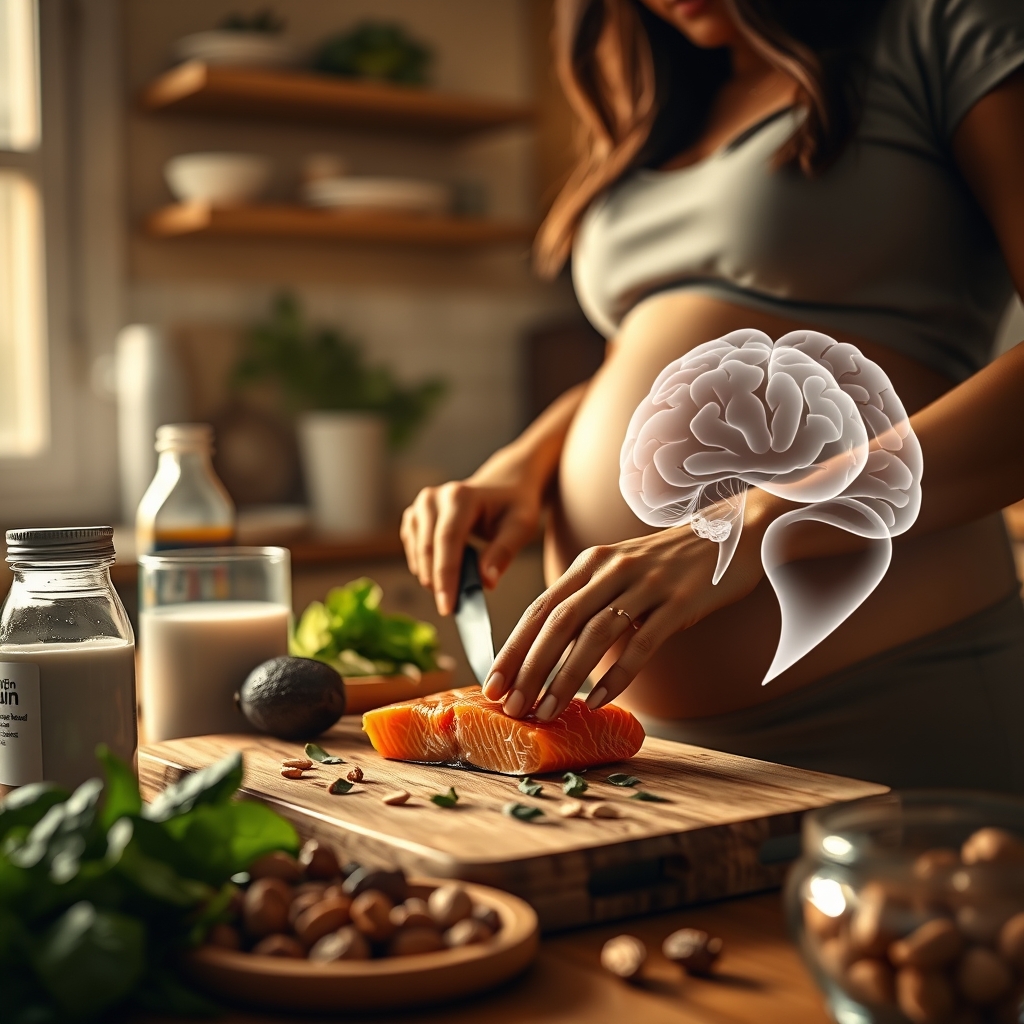
The intersection of maternal nutrition and fetal brain development is a domain where biology, psychology, and public health converge with profound implications. While the broader narrative often emphasizes the importance of prenatal care, the specific mechanisms by which maternal diet influences cognitive and neurological outcomes in offspring remain underexplored in mainstream discourse. This oversight is not merely academic; it has tangible consequences for long-term child development, educational attainment, and even societal health.
The Biological Foundations: Nutrients as Architects of the Fetal Brain
The fetal brain undergoes rapid and intricate development, particularly between the second and third trimesters. During this period, neural proliferation, migration, and synaptogenesis occur at an unprecedented rate. These processes are highly sensitive to the availability of key nutrients, which act as both building blocks and regulatory signals. For instance, docosahexaenoic acid (DHA), an omega-3 fatty acid, is integral to the formation of neuronal membranes and synaptic plasticity. Studies have demonstrated that maternal DHA deficiency correlates with lower cognitive scores in children, particularly in domains such as problem-solving and attention.
Similarly, choline—often overshadowed by more commonly discussed nutrients like folic acid—plays a critical role in neurotransmitter synthesis and the structural integrity of brain cells. Research published in The FASEB Journal highlights that choline supplementation during pregnancy enhances memory function in offspring, even into adulthood. Yet, despite its importance, choline intake among pregnant women frequently falls below recommended levels, a gap that underscores the disconnect between scientific evidence and dietary practices.
Micronutrients: The Unsung Heroes of Cognitive Development
While macronutrients like proteins and fats often dominate discussions on prenatal nutrition, micronutrients such as iron, zinc, and iodine are equally pivotal. Iron deficiency, for example, is one of the most common nutritional deficiencies during pregnancy and has been linked to impaired myelination—a process essential for efficient neural communication. A study in The Lancet found that children born to iron-deficient mothers exhibited lower IQ scores and poorer executive function, effects that persisted even after iron supplementation in infancy.
Zinc, another critical micronutrient, is involved in DNA synthesis and cell division, processes that are fundamental to brain growth. Its deficiency has been associated with neural tube defects and behavioral issues in later childhood. Iodine, meanwhile, is indispensable for thyroid hormone production, which regulates brain development. The World Health Organization has identified iodine deficiency as the leading preventable cause of intellectual disability worldwide, yet it remains a persistent issue in many regions.
The Ripple Effects: From Prenatal Nutrition to Long-Term Outcomes
The impact of maternal nutrition extends far beyond the neonatal period, shaping cognitive, emotional, and even economic trajectories. Longitudinal studies, such as the Avon Longitudinal Study of Parents and Children, have demonstrated that children born to mothers with poor prenatal nutrition are at higher risk for developmental delays, lower academic achievement, and behavioral disorders. These findings challenge the notion that early childhood interventions alone can compensate for prenatal nutritional deficits.
Moreover, the effects of maternal nutrition are not uniform across populations. Socioeconomic disparities often exacerbate nutritional inequalities, with marginalized communities facing greater barriers to accessing nutrient-rich foods. This disparity is not merely a matter of individual choice but a systemic issue that demands policy-level interventions, such as fortified food programs and targeted nutritional education.
Beyond the Womb: The Role of Postpartum Nutrition
While the focus on prenatal nutrition is critical, the postpartum period represents another window of opportunity for optimizing child development. Breastfeeding, for instance, provides a continuum of nutritional benefits, including the transfer of DHA and other bioactive compounds that support brain development. However, the quality of breast milk is directly influenced by the mother’s diet, reinforcing the need for sustained nutritional support during lactation.
For mothers who cannot or choose not to breastfeed, fortified infant formulas offer an alternative, though they may not fully replicate the dynamic composition of breast milk. This underscores the importance of individualized nutritional guidance, tailored to the unique needs of each mother-infant dyad.
The Practical Challenges: Bridging the Gap Between Knowledge and Action
Despite the robust scientific evidence linking maternal nutrition to fetal brain development, translating this knowledge into actionable practices remains a significant challenge. One barrier is the prevalence of misinformation, particularly in the digital age, where anecdotal advice often overshadows evidence-based recommendations. Pregnant women are bombarded with conflicting messages about what to eat, what to avoid, and which supplements to take, leading to confusion and suboptimal dietary choices.
Another challenge is the lack of accessible, culturally sensitive nutritional counseling. Many healthcare systems prioritize medical interventions over preventive care, leaving expectant mothers without the guidance they need to make informed dietary decisions. This gap is particularly pronounced in low-resource settings, where healthcare infrastructure may be limited.
Policy and Public Health: A Call for Systemic Change
Addressing these challenges requires a multifaceted approach that integrates education, policy, and community engagement. Public health campaigns must move beyond generic advice and provide specific, actionable recommendations tailored to diverse populations. For example, initiatives like the Special Supplemental Nutrition Program for Women, Infants, and Children (WIC) in the United States have demonstrated success in improving nutritional outcomes through targeted food assistance and education.
At the policy level, governments must prioritize the fortification of staple foods with essential nutrients like folic acid, iron, and iodine. Such measures have proven effective in reducing neural tube defects and other developmental disorders in countries like Canada and Chile. Additionally, healthcare providers should receive training in nutritional counseling, ensuring that every prenatal visit includes a discussion on diet and its impact on fetal development.
The narrative surrounding maternal nutrition and fetal brain development is not merely about individual responsibility but about collective action. The choices made during pregnancy reverberate across generations, shaping the cognitive and emotional landscapes of future societies. While the science is clear, the path to implementation is fraught with complexities—yet it is a path that must be navigated with urgency and precision. The stakes are too high to settle for anything less than a comprehensive, evidence-based approach to nurturing the next generation from the very beginning.