
The Gentle Parenting Playbook: Nurturing Independence with Montessori at Home and Eco-Friendly Choices
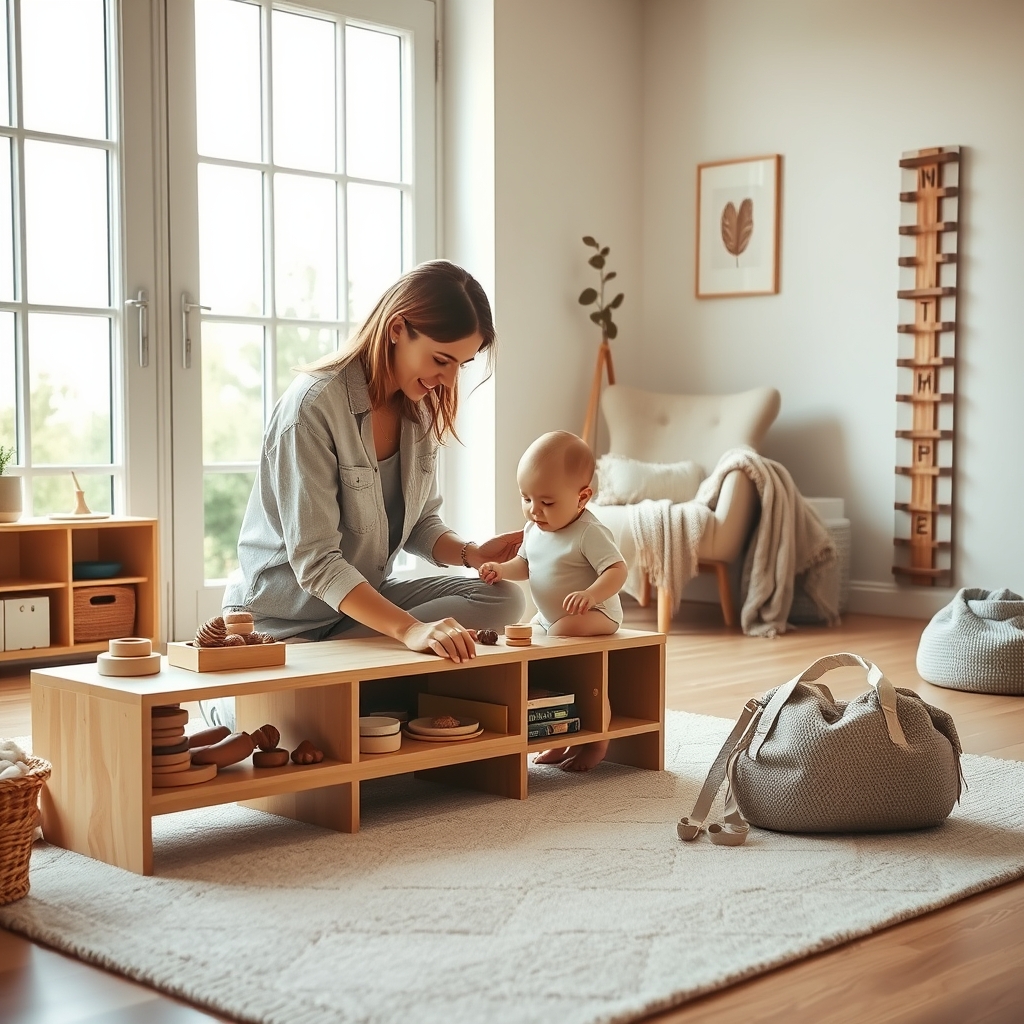
Imagine a morning where your toddler calmly selects their own clothes, helps prepare breakfast, and plays independently with purposeful toys—all while you sip your coffee in peace. This isn’t a fantasy; it’s the reality for families embracing gentle parenting and Montessori principles at home. By blending these approaches with eco-conscious choices, you create an environment where children thrive emotionally, intellectually, and sustainably. The key lies in small, intentional shifts that foster independence, curiosity, and a deep respect for the world around them.
The Foundations of Gentle Parenting and Montessori at Home
Gentle parenting and Montessori philosophy share a common thread: they prioritize respect, autonomy, and connection. While gentle parenting focuses on emotional attunement and positive reinforcement, Montessori emphasizes hands-on learning and self-directed exploration. Together, they form a powerful framework for raising confident, capable children.
At the heart of Montessori at home is the belief that children learn best through real-life experiences. Instead of plastic toys that do all the work, developmental toys like wooden puzzles, stacking rings, or sensory bins encourage problem-solving and fine motor skills. These tools are designed to be open-ended, allowing your child to explore and create without rigid instructions. Pairing these with gentle guidance—rather than directives—helps them develop critical thinking and decision-making skills from an early age.
Creating a Montessori-Friendly Space
Transforming your home into a Montessori-inspired haven doesn’t require a complete overhaul. Start by assessing your child’s environment through their eyes. Are their toys and belongings accessible? Can they reach their organic baby food or snacks without help? Lowering shelves, using child-sized furniture, and organizing materials in baskets or trays empowers them to take charge of their space.
For example, designate a small kitchen area with a step stool, a pitcher of water, and a few healthy snacks. This setup encourages independence while reinforcing toddler nutrition habits. Similarly, a low-hanging mirror in their room or a sensory play station with natural materials like sand, water, or dried beans can spark hours of self-directed play. These simple adjustments not only nurture their growth but also reduce the mental load on parents.
Eco-Friendly Choices for a Sustainable Family Life
Gentle parenting extends beyond interactions—it’s also about the choices we make for our planet. Swapping disposable products for sustainable alternatives is a natural extension of this philosophy. Eco-friendly diapers, for instance, are a game-changer for both your baby’s skin and the environment. Brands like Bambo Nature or Seventh Generation offer biodegradable options that are free from harsh chemicals, reducing the risk of irritation and landfill waste.
Similarly, opting for organic baby food or preparing homemade purees ensures your little one gets the best nutrition without pesticides or additives. If time is tight, batch-cooking and freezing portions can make this process seamless. For older toddlers, involving them in meal prep—like washing vegetables or stirring ingredients—turns toddler nutrition into a fun, educational activity.
Baby Wearing and Co-Sleeping: Balancing Convenience and Connection
Practicality and bonding often go hand in hand in gentle parenting. Baby wearing basics, for example, allow you to keep your little one close while freeing up your hands for daily tasks. Ergonomic carriers like the Ergobaby or Tula distribute weight evenly, making them comfortable for long stretches. This practice not only soothes fussy babies but also promotes physical development by encouraging proper hip positioning.
For families who choose co-sleeping safety, creating a secure sleep environment is paramount. Use a firm mattress, avoid loose bedding, and ensure there are no gaps between the bed and the wall. The American Academy of Pediatrics recommends room-sharing (but not bed-sharing) for at least the first six months to reduce the risk of SIDS. If bed-sharing aligns with your family’s values, following safety guidelines can make it a nurturing experience for everyone.
Nurturing Development Through Play and Routine
Play is the cornerstone of early childhood development, and gentle parenting leverages it as a tool for learning. Sensory play activities like finger painting, water tables, or DIY playdough engage multiple senses, fostering cognitive and motor skills. These activities don’t need to be elaborate—a simple bin of rice with hidden toys can captivate a toddler for hours while enhancing their tactile awareness.
Routine also plays a crucial role in creating a sense of security. Predictable schedules for meals, naps, and playtime help children feel grounded, reducing meltdowns and power struggles. For instance, a consistent bedtime routine with dim lights, a lullaby, and a story signals to your baby that it’s time to wind down. This approach to baby sleep training focuses on responsiveness rather than rigid schedules, aligning with gentle parenting principles.
Positive Reinforcement and Emotional Intelligence
Gentle parenting thrives on positive reinforcement, which builds self-esteem and encourages desirable behaviors. Instead of saying, “Don’t run,” try, “I love how you’re walking carefully.” This subtle shift focuses on what they’re doing right, reinforcing their efforts. Celebrating small victories—like sharing a toy or putting on their shoes—creates a positive feedback loop that motivates them to repeat these actions.
Emotional intelligence is another pillar of this approach. Teaching children to name their feelings—“I see you’re feeling frustrated because the block tower fell”—validates their emotions and helps them develop coping strategies. Over time, this practice fosters resilience and empathy, equipping them with skills they’ll carry into adulthood.
Designing a Nursery That Grows with Your Child
A thoughtfully designed nursery can support your child’s development while reflecting your family’s values. Nursery design trends in 2024 emphasize minimalism, natural materials, and adaptability. Opt for convertible cribs that transform into toddler beds, or invest in modular storage that can evolve with your child’s needs. Soft, neutral colors create a calming atmosphere, while wall decals or framed artwork add a touch of personality without overwhelming the space.
Safety is non-negotiable, so ensure child safety gates are installed at the top and bottom of stairs, and secure heavy furniture to the wall to prevent tipping. For a sustainable touch, choose non-toxic paints and organic cotton bedding. These choices not only protect your child’s health but also align with eco-conscious parenting.
Screen-Free Childhood: Fostering Creativity and Connection
In a world dominated by screens, prioritizing a screen-free childhood can feel like a radical act. Yet, research shows that excessive screen time can hinder language development, attention spans, and social skills. Instead, fill your child’s day with real-world interactions—storytime, outdoor play, or imaginative games. These activities stimulate their brain in ways that passive screen time cannot.
If screens are unavoidable, opt for high-quality, educational content and co-view with your child to make it interactive. For example, watch a nature documentary together and then take a walk to spot birds or plants in your neighborhood. This approach turns screen time into a shared learning experience rather than a solitary activity.
Parenting is a journey of small, intentional choices—each one shaping the person your child will become. By weaving gentle parenting, Montessori principles, and eco-friendly practices into your daily life, you’re not just raising a child; you’re nurturing a future adult who is kind, capable, and connected to the world around them. Start with one change, whether it’s swapping to eco-friendly diapers, setting up a sensory play station, or simply pausing to acknowledge your child’s feelings. These moments add up, creating a home where love, learning, and sustainability grow hand in hand.