
The Gentle Parenting Blueprint: Fostering Connection Through Sensory Play and Thoughtful Choices
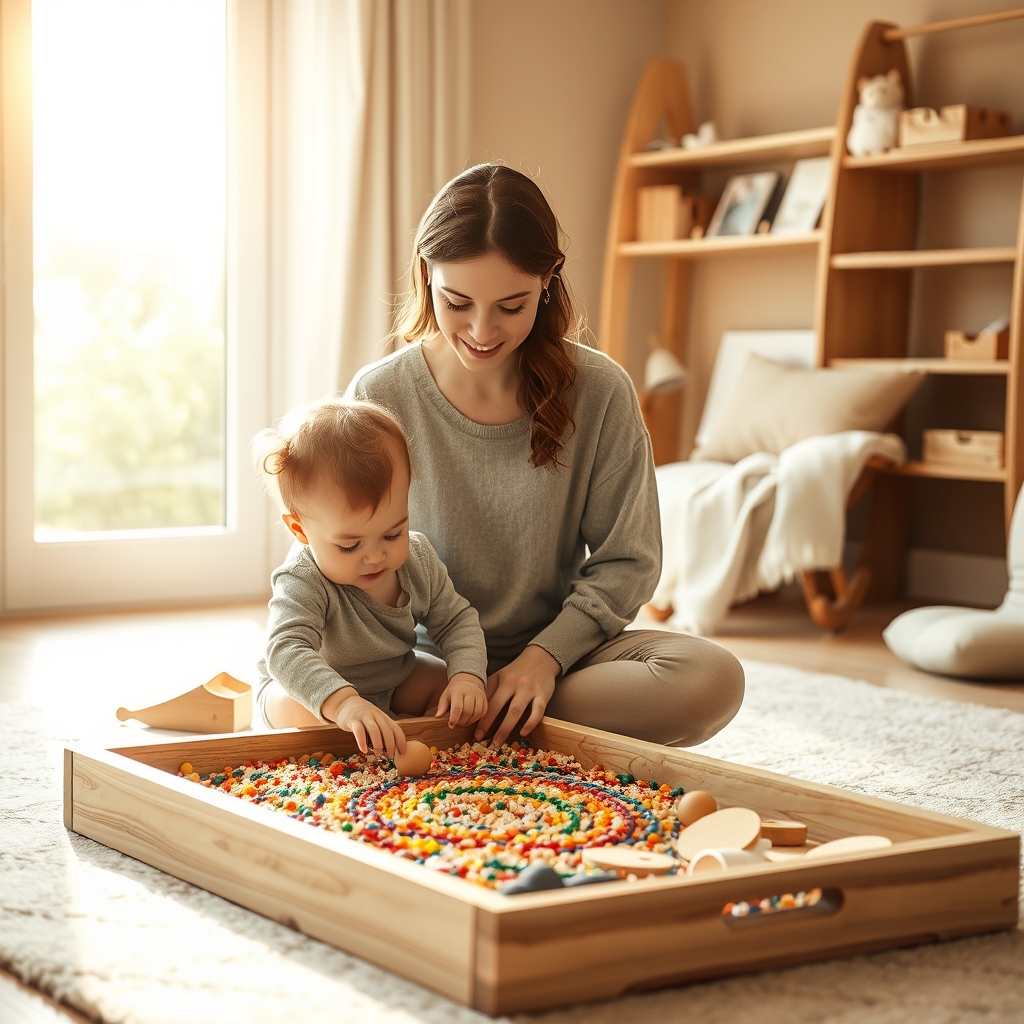
Imagine a world where your child’s laughter fills the air as they explore a tray of rainbow rice, their tiny fingers sifting through textures while their curiosity blooms. This isn’t just play—it’s the heart of gentle parenting, where every moment becomes an opportunity to nurture connection, independence, and joy. In a fast-paced world brimming with screens and distractions, parents are increasingly turning to mindful approaches that prioritize emotional well-being and sustainable choices. Whether you’re navigating the newborn phase or guiding a spirited toddler, the principles of gentle parenting offer a roadmap to raising confident, compassionate little humans.
Why Gentle Parenting Resonates with Modern Families
At its core, gentle parenting is about fostering a deep emotional bond with your child while setting boundaries with empathy and respect. Unlike authoritarian or permissive styles, this approach emphasizes collaboration, active listening, and positive reinforcement. Research shows that children raised with gentle parenting techniques tend to develop stronger emotional regulation, higher self-esteem, and healthier relationships. It’s not about being a perfect parent—it’s about being present, patient, and intentional in your interactions.
For many families, gentle parenting aligns seamlessly with eco-conscious values. Choosing eco-friendly diapers made from bamboo or organic cotton, for example, reduces environmental impact while keeping your baby’s delicate skin safe. Similarly, opting for organic baby food free from pesticides and additives supports both your child’s health and the planet. These small, thoughtful choices create a ripple effect, teaching children the importance of sustainability from an early age.
Sensory Play: The Gateway to Learning and Connection
One of the most powerful tools in a gentle parent’s arsenal is sensory play activities. These hands-on experiences engage a child’s senses—touch, sight, sound, smell, and even taste—to stimulate brain development and foster creativity. From finger painting with edible dyes to exploring nature bins filled with pinecones and leaves, sensory play is a gateway to learning through exploration. It also provides a calming effect, helping children process emotions and reduce stress.
For infants, simple activities like tummy time with textured mats or grasping soft fabric squares can enhance motor skills and sensory awareness. Toddlers, on the other hand, thrive with more complex setups, such as water tables with floating toys or DIY playdough stations. The key is to follow your child’s lead, allowing them to explore at their own pace without pressure. This not only builds confidence but also strengthens the parent-child bond through shared discovery.
Montessori at Home: Nurturing Independence with Purpose
Inspired by the Montessori philosophy, many gentle parents are transforming their homes into environments that encourage independence and self-directed learning. The idea is simple: create spaces where children can access toys, books, and activities without constant adult intervention. For example, a low shelf stocked with developmental toys like wooden puzzles or stacking rings invites toddlers to choose their own play, fostering decision-making skills and concentration.
In the kitchen, a small step stool and child-sized utensils can turn meal prep into a collaborative activity, teaching practical life skills while reinforcing connection. Even something as simple as a child safety gate that allows your little one to see and interact with the family space—rather than feeling isolated—can make a big difference. The goal isn’t to create a Pinterest-perfect home but to design an environment that respects your child’s capabilities and curiosity.
Navigating Challenges with Compassion
Of course, gentle parenting isn’t without its challenges. Sleep deprivation, tantrums, and the pressure to “do it all” can leave even the most patient parents feeling overwhelmed. This is where baby sleep training and postpartum wellness come into play. Gentle sleep training methods, such as the “pick-up-put-down” approach or fading techniques, prioritize responsiveness while gradually encouraging independent sleep. The key is to find a rhythm that works for your family, whether that means co-sleeping safely or establishing a soothing bedtime routine.
Postpartum wellness is another critical piece of the puzzle. The fourth trimester—a term used to describe the first three months after birth—can be a whirlwind of emotions, physical recovery, and adjustment. Gentle parenting extends to self-care, too. Prioritizing rest, nourishing meals, and breastfeeding support (if applicable) can help parents feel more grounded and capable. Remember, a well-supported parent is better equipped to nurture their child with patience and love.
Toddler Nutrition: Fueling Growth with Wholesome Choices
As your baby grows into a toddler, toddler nutrition becomes a focal point. The transition from milk to solids is an exciting milestone, but it can also be a source of stress for parents navigating picky eaters or food allergies. Gentle parenting encourages a pressure-free approach to mealtimes, where children are offered a variety of nutrient-dense foods without coercion. Think colorful plates of roasted veggies, whole-grain finger foods, and homemade organic baby food blends that cater to tiny taste buds.
Involving toddlers in meal prep—whether it’s washing veggies or stirring ingredients—can spark their interest in trying new foods. It’s also an opportunity to model healthy eating habits and gratitude for the food on their plate. For parents seeking convenience without compromising quality, batch-cooking and freezing portions of homemade baby food can be a game-changer.
Designing a Nursery That Grows with Your Child
The nursery is more than just a room—it’s a sanctuary for your little one, a space where they feel safe, inspired, and loved. Nursery design trends in 2024 lean toward minimalist, nature-inspired aesthetics that promote calm and creativity. Think soft, neutral tones, sustainable wood furniture, and organic cotton textiles. A well-designed nursery can also adapt as your child grows, with convertible cribs that transform into toddler beds and modular storage solutions that evolve with their needs.
Safety is paramount, of course. Securing furniture to walls, choosing non-toxic paints, and installing child safety gates at stairways and doorways are non-negotiables. But beyond the practicalities, the nursery should reflect your family’s values. A cozy reading nook with board books, a sensory wall with textured fabrics, or a mobile made from natural materials can turn the space into a haven for exploration and connection.
Baby Wearing: The Art of Keeping Your Little One Close
For centuries, parents around the world have practiced baby wearing basics, using slings, wraps, and carriers to keep their infants close while freeing their hands. This age-old tradition is making a comeback in modern parenting circles, and for good reason. Baby wearing promotes bonding, regulates a baby’s heartbeat and breathing, and can even reduce colic. It also allows parents to navigate daily life—whether it’s grocery shopping or taking a walk—while keeping their little one snug and secure.
Choosing the right carrier depends on your baby’s age, size, and your comfort level. Newborns thrive in soft, stretchy wraps that mimic the womb’s coziness, while older babies may prefer structured carriers with ergonomic support. The key is to ensure proper positioning to support your baby’s hips and spine. With a little practice, baby wearing can become a seamless part of your routine, fostering closeness and convenience.
Celebrating Milestones with Mindfulness
From the first smile to the first steps, baby milestones are moments to cherish. Gentle parenting encourages parents to celebrate these achievements without pressure or comparison. Instead of focusing on whether your child is “ahead” or “behind,” the emphasis is on their unique journey. A first word, for example, might come later for a child who’s more observant, while another might crawl early because they’re particularly determined. Both paths are valid.
Documenting these milestones can be a joyful way to reflect on your child’s growth. A simple journal, a photo series, or even a handprint keepsake can capture the magic of these fleeting moments. The goal isn’t perfection but presence—being fully engaged in the wonder of your child’s development, one day at a time.
Parenting is a journey filled with twists, turns, and countless opportunities to learn and grow alongside your child. By embracing gentle parenting, you’re not just raising a child—you’re cultivating a relationship built on trust, respect, and unconditional love. Whether it’s through sensory play, mindful nutrition, or creating a nurturing home environment, every small choice adds up to a lifetime of connection. So take a deep breath, trust your instincts, and remember: the most powerful tool in your parenting toolkit is the love you share with your little one.