
The Role of Nature in Gentle Parenting: Outdoor Activities for Kids
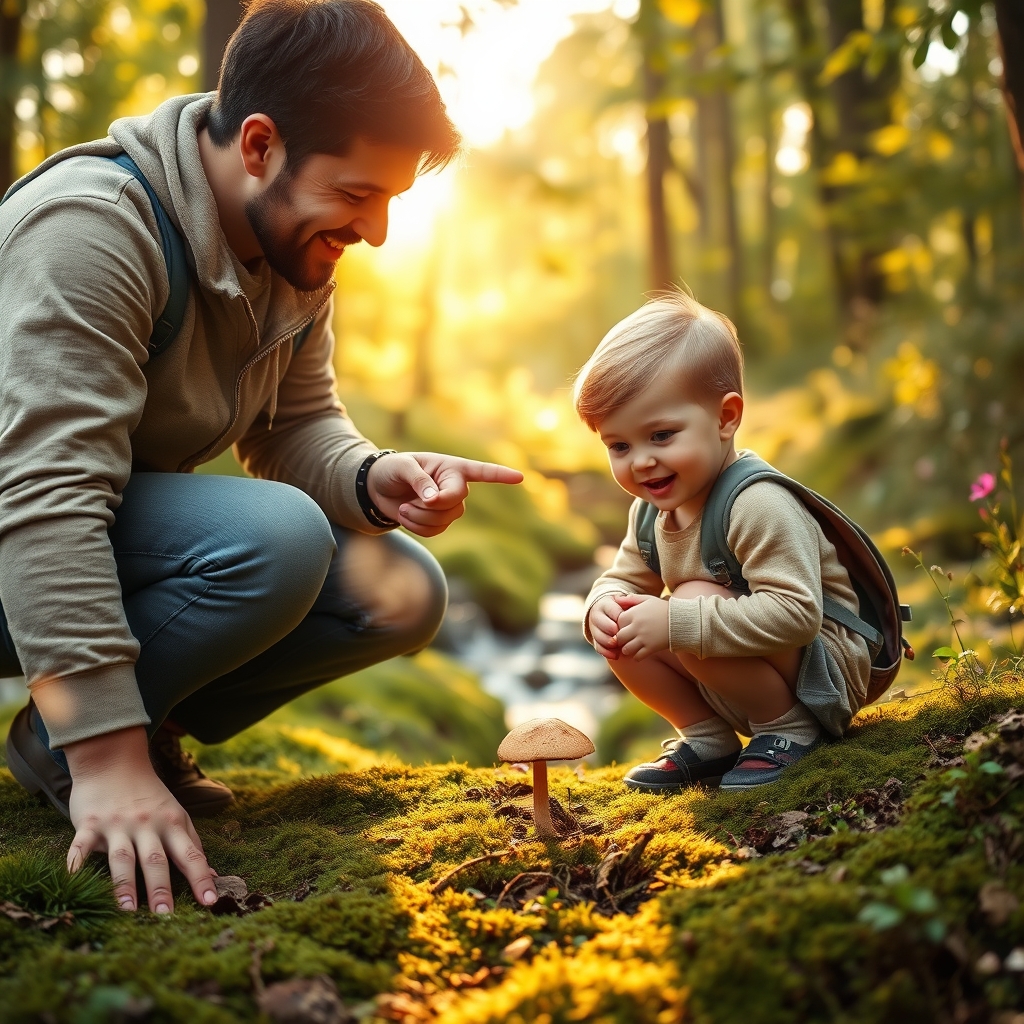
In the fast-paced digital age, where screens often dominate a child’s attention, gentle parenting emphasizes the importance of nurturing emotional well-being through mindful, screen-free interactions. One of the most powerful ways to foster this connection is by embracing the natural world. Nature offers a unique environment for children to explore, learn, and grow emotionally, while also providing parents with opportunities to bond with their little ones in meaningful ways. The outdoors becomes a classroom without walls, where curiosity is sparked, and resilience is built through unstructured play and discovery.
The Emotional Benefits of Outdoor Play
Nature has a profound impact on a child’s emotional development. Studies have shown that time spent outdoors reduces stress, anxiety, and symptoms of ADHD, while simultaneously boosting mood and self-esteem. The sensory experiences found in nature—whether it’s the rustling of leaves, the warmth of sunlight, or the texture of mud between fingers—engage a child’s senses in ways that indoor environments simply cannot replicate. These experiences help children regulate their emotions, develop empathy, and cultivate a sense of wonder about the world around them.
For parents practicing gentle parenting, the outdoors provides a neutral space where children can express themselves freely. Without the constraints of structured activities or the distractions of technology, kids are more likely to engage in imaginative play, problem-solving, and social interactions that are essential for emotional growth. Whether it’s building a fort out of sticks, pretending to be explorers in a forest, or simply lying on the grass and watching clouds, these moments foster creativity and emotional resilience.
Seasonal Outdoor Activities for Kids
One of the beauties of nature is its ever-changing landscape, which offers fresh opportunities for exploration with each season. Adapting activities to the time of year not only keeps outdoor play exciting but also teaches children about the rhythms of nature and the importance of adaptability.
Spring: Awakening the Senses
Spring is a time of renewal, making it the perfect season to engage a child’s senses. Planting a small garden—whether it’s flowers, herbs, or vegetables—teaches responsibility and patience as children watch their efforts grow. Nature scavenger hunts, where kids search for items like pinecones, specific leaves, or blooming flowers, encourage observation skills and curiosity. For a more creative twist, collect fallen petals and leaves to create nature collages or press them into homemade greeting cards. These activities not only connect children to the season but also provide a sense of accomplishment as they see the tangible results of their work.
Summer: Adventure and Exploration
Summer’s long days and warm weather are ideal for adventurous outdoor play. Set up a backyard camping experience with a tent, sleeping bags, and storytelling under the stars. This not only fosters a love for the outdoors but also creates lasting memories. Water play is another summer favorite—whether it’s running through sprinklers, creating a DIY water table, or visiting a local stream to skip stones. For older children, hiking or biking on nature trails introduces them to the joys of physical activity while teaching them about local flora and fauna. The key is to keep activities flexible and child-led, allowing them to explore at their own pace.
Autumn: Harvesting Creativity
Autumn’s crisp air and vibrant colors provide a rich backdrop for outdoor creativity. Collecting fallen leaves, acorns, and pinecones can turn into a treasure hunt, with the gathered items later used for art projects like leaf rubbings or autumn wreaths. Building a leaf pile for jumping is a simple yet joyful activity that never fails to delight children. For a more hands-on experience, visit a local apple orchard or pumpkin patch, where kids can pick their own produce and learn about where food comes from. These activities not only celebrate the season but also encourage gratitude and a deeper connection to the natural world.
Winter: Embracing the Quiet
Winter’s chill doesn’t have to mean the end of outdoor play. In fact, the season offers unique opportunities for exploration and wonder. Building snowmen, creating snow angels, or having a snowball fight are classic activities that promote physical activity and laughter. For a quieter experience, take a winter nature walk to observe animal tracks in the snow or listen to the silence of a snowy landscape. If snow isn’t available, birdwatching or creating a bird feeder from pinecones, peanut butter, and seeds can bring wildlife closer to home. These activities teach children to appreciate the beauty of all seasons and the importance of adapting to change.
Tips for Reducing Screen Time and Encouraging Outdoor Play
While the benefits of outdoor play are clear, many parents struggle with reducing screen time in favor of nature-based activities. The key is to make outdoor time a natural and enjoyable part of daily life rather than a chore. Start by setting small, achievable goals, such as spending 30 minutes outside each day, and gradually increase the time as it becomes a habit. Involve children in the planning process by asking them what outdoor activities they’d like to try, giving them a sense of ownership and excitement.
Creating a dedicated outdoor space at home can also make a big difference. This doesn’t have to be elaborate—a small garden patch, a sandbox, or even a cozy corner with blankets and books can invite children to spend more time outside. Additionally, modeling the behavior you want to see is crucial. When children see their parents enjoying nature—whether it’s gardening, hiking, or simply sitting outside with a cup of tea—they’re more likely to follow suit.
For families with busy schedules, combining outdoor time with other activities can help. For example, turn a walk to the park into a family outing, or have picnics in the backyard instead of eating indoors. Even short bursts of outdoor play, like a quick game of tag or a few minutes of cloud-gazing, can have a positive impact on a child’s mood and emotional well-being. The goal is to make nature a consistent and enjoyable part of life, rather than an occasional event.
As children grow, the memories they cherish most won’t be of the hours spent in front of a screen, but of the moments spent exploring, laughing, and connecting with the world around them. Nature offers endless possibilities for gentle parenting, where the focus is on nurturing a child’s emotional health through presence, patience, and play. By stepping outside, parents can provide their children with the space to grow, learn, and thrive in ways that no digital experience can replicate. The outdoors becomes more than just a backdrop—it becomes a partner in raising resilient, curious, and emotionally intelligent children.