
The Gentle Parenting Guide to Child Safety Gates: Eco-Friendly Solutions for a Secure and Nurturing Home
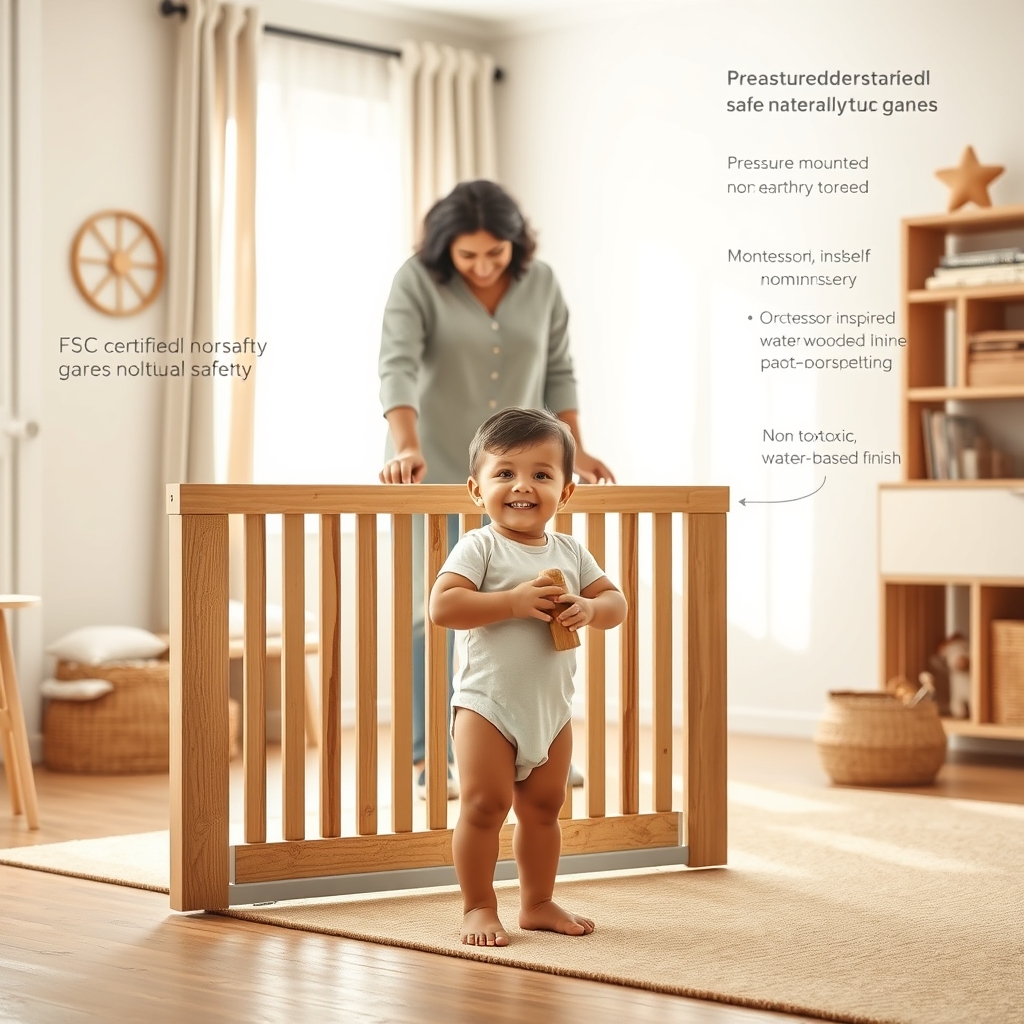
Imagine this: your curious toddler takes their first wobbly steps toward the stairs, or your adventurous little one discovers the allure of the kitchen cabinets. These moments, while filled with pride, can also send a jolt of panic through any parent. Gentle parenting isn’t just about nurturing emotions—it’s about creating a safe space where your child can explore, learn, and grow without unnecessary risks. Child safety gates are one of the most effective tools to strike that balance, offering peace of mind while aligning with your eco-conscious values.
Why Child Safety Gates Are a Gentle Parenting Essential
Gentle parenting emphasizes empathy, respect, and trust between parent and child. It’s about guiding rather than restricting, and safety gates play a unique role in this philosophy. Instead of saying “no” constantly, a well-placed gate allows your child to explore their environment within safe boundaries. This fosters independence while reducing frustration—for both of you.
Safety gates also align with the gentle parenting principle of prevention over correction. By proactively securing hazardous areas, you’re not just avoiding accidents; you’re teaching your child that their safety is a priority. This builds trust and reinforces the idea that their home is a nurturing, predictable space.
Choosing Eco-Friendly Safety Gates: What to Look For
Not all safety gates are created equal, especially if you’re committed to eco-friendly parenting. Here’s what to consider when selecting a gate that’s safe for your child and the planet:
1. Sustainable Materials
Opt for gates made from FSC-certified wood, bamboo, or recycled metals. These materials are durable, non-toxic, and free from harmful chemicals like formaldehyde or BPA. Brands like BabyDan and North States offer eco-conscious options that don’t compromise on safety.
2. Non-Toxic Finishes
Many conventional gates are coated with paints or varnishes containing volatile organic compounds (VOCs). Look for gates with water-based, non-toxic finishes to ensure your child isn’t exposed to harmful fumes. This is especially important for gates installed in high-traffic areas where your little one might touch or chew on them.
3. Minimalist and Multi-Functional Design
Eco-friendly parenting is all about reducing waste, so choose gates that grow with your child. Adjustable gates or modular systems can be repurposed as room dividers or pet barriers once your child outgrows them. This not only saves money but also reduces landfill waste.
4. Easy Installation Without Damage
Pressure-mounted gates are a great eco-friendly option because they don’t require drilling or permanent hardware. This means you can install them without damaging your walls or furniture, making them ideal for renters or families who move frequently. Just ensure they’re sturdy enough to withstand your child’s curiosity!
Where to Install Safety Gates for Maximum Effectiveness
Strategic placement is key to creating a safe yet stimulating environment. Here are the top areas where safety gates can make the biggest difference:
1. Staircases
Stairs are one of the most common hazards for toddlers. Install gates at both the top and bottom of staircases to prevent falls. For the top of the stairs, always use a hardware-mounted gate for extra security, even if it means a small hole in your wall.
2. Kitchen and Bathroom
Kitchens and bathrooms are filled with potential dangers, from sharp objects to cleaning supplies. A gate at the entrance keeps your child out of harm’s way while still allowing them to see and interact with you. This is especially helpful during meal prep or bath time.
3. Nursery or Playroom Entry
If you want to create a Montessori-inspired space, a gate at the nursery or playroom entry allows your child to explore independently while keeping them contained. This is particularly useful for parents who practice baby-led routines or gentle sleep training.
4. Fireplaces and Heaters
Fireplaces, space heaters, and radiators can pose burn risks. A gate creates a safe barrier while still allowing warmth to circulate. Look for heat-resistant gates if you’re placing them near a fireplace.
Gentle Parenting Tips for Introducing Safety Gates
Introducing a safety gate doesn’t have to feel like a restriction. With a little creativity, you can turn it into a positive experience for your child:
1. Involve Your Child in the Process
Let your toddler help you choose the gate’s location or even pick out a fun color. This makes them feel included and reduces resistance. You can say, “This gate will help keep you safe while you play! Where do you think it should go?”
2. Use Positive Reinforcement
Praise your child when they respect the gate’s boundaries. A simple “Great job staying safe!” reinforces the behavior without making them feel controlled. Over time, they’ll associate the gate with positive experiences rather than limitations.
3. Make It a Game
Turn gate safety into a playful activity. For example, you can say, “Let’s see if you can crawl under the gate like a little mouse!” This encourages them to interact with the gate in a safe way while making it fun.
4. Gradual Introduction
If your child is resistant, start by leaving the gate open and gradually closing it for short periods. Pair this with sensory play activities or developmental toys on the other side to distract them. Over time, they’ll get used to the gate’s presence.
Eco-Friendly Alternatives to Traditional Safety Gates
If you’re looking for even more sustainable options, consider these alternatives:
1. DIY Fabric Gates
For a zero-waste solution, create a fabric gate using organic cotton or hemp. These are lightweight, portable, and can be decorated with fun prints to match your nursery’s eco-friendly design trends. Just ensure they’re securely fastened to avoid tripping hazards.
2. Furniture Barriers
Repurpose bookshelves, dressers, or even large plants to create natural barriers. This is a great way to incorporate Montessori at home principles while reducing waste. Just make sure the furniture is anchored to the wall to prevent tipping.
3. Baby Wearing for Hands-Free Safety
While not a replacement for gates, baby wearing can help you keep your little one close in high-risk areas like the kitchen. A baby carrier made from organic materials allows you to move freely while keeping your child safe and secure.
Childproofing Beyond Gates: A Gentle Parenting Approach
Safety gates are just one piece of the puzzle. To create a truly nurturing environment, consider these additional childproofing strategies:
1. Secure Heavy Furniture
Anchor bookshelves, dressers, and TVs to the wall to prevent tipping. This is especially important for climbers who love to explore vertical spaces. Use eco-friendly anchors made from recycled materials for a sustainable solution.
2. Choose Non-Toxic Cleaning Products
Opt for organic, plant-based cleaners to avoid exposing your child to harsh chemicals. Brands like Seventh Generation and Ecover offer effective, safe alternatives for your home.
3. Soft Flooring for Play Areas
If your home has hard floors, add organic cotton rugs or cork flooring to create a soft landing for your little one. These materials are sustainable, non-toxic, and easy to clean.
4. Safe Sleep Spaces
Whether you practice co-sleeping safety or use a crib, ensure your child’s sleep space is free from hazards like loose blankets or stuffed animals. A firm, organic mattress and breathable crib sheets are gentle parenting essentials for a restful night.
Creating a safe home doesn’t mean sacrificing your gentle parenting values. By choosing eco-friendly safety gates and mindful childproofing strategies, you’re not only protecting your child—you’re nurturing their independence, curiosity, and trust in the world around them. Every small step, from securing a gate to selecting non-toxic materials, is an opportunity to show your little one that their safety and well-being are at the heart of your parenting journey. As they grow, these thoughtful choices will become the foundation of a home filled with love, exploration, and peace of mind.